
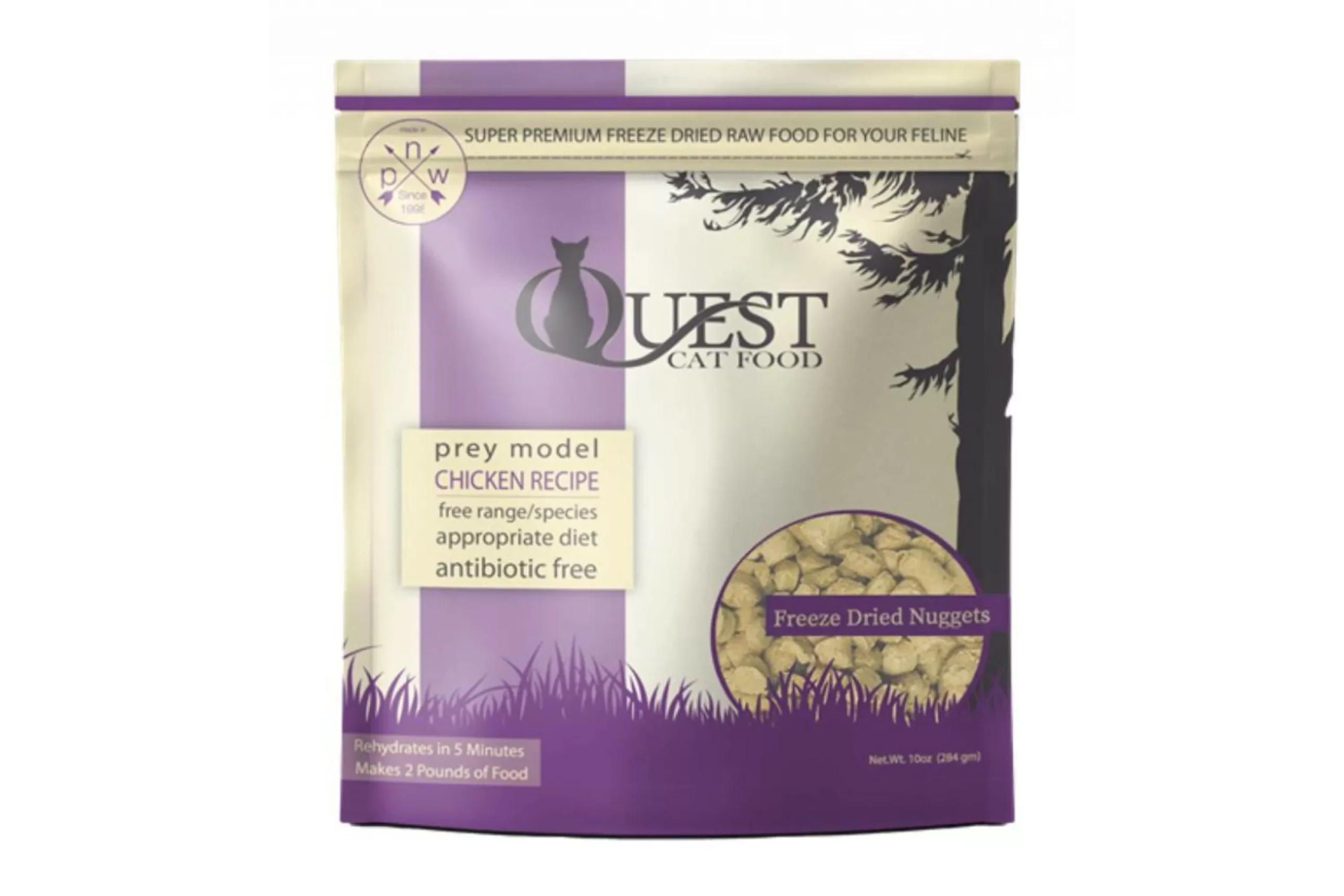
Thiamine, also known as vitamin B1, is an essential nutrient that plays a crucial role in the overall health and well-being of cats. It is responsible for maintaining a healthy nervous system, aiding in digestion, and supporting the proper functioning of the heart and muscles. However, just like humans, cats can also suffer from thiamine deficiency, which can lead to serious health issues if left untreated. In a recent alert, experts have warned that the symptoms of thiamine deficiency in cats can be both gastrointestinal and neurological, making it important for cat owners to be aware of the signs and take necessary measures to prevent it.
Gastrointestinal symptoms of thiamine deficiency in cats include a loss of appetite, vomiting, and diarrhea. These symptoms can be easily mistaken for a common stomach bug or food intolerance, but if they persist for more than a day or two, it could be a sign of something more serious. Thiamine is essential for the proper functioning of the digestive system, and a deficiency can lead to a decrease in appetite and digestive issues. If your cat is showing any of these symptoms, it is important to consult a veterinarian for a proper diagnosis and treatment.
On the other hand, neurological symptoms of thiamine deficiency in cats can be more severe and can even be life-threatening if not addressed promptly. These symptoms include weakness, loss of coordination, tremors, and seizures. Thiamine is crucial for the proper functioning of the nervous system, and a deficiency can lead to neurological issues that can affect a cat’s mobility and overall well-being. If your cat is showing any of these symptoms, it is crucial to seek immediate veterinary attention.
The alert also warns that thiamine deficiency can be caused by a diet that is lacking in this essential nutrient. Cats are obligate carnivores, meaning they require a diet high in protein and fat, and low in carbohydrates. If a cat’s diet is primarily made up of carbohydrates, it can lead to thiamine deficiency as these foods do not contain enough of this vital nutrient. Therefore, it is important for cat owners to ensure that their feline friends are getting a balanced and nutritious diet that meets their specific dietary needs.
Another cause of thiamine deficiency in cats is the consumption of raw fish. Raw fish contains an enzyme called thiaminase, which breaks down thiamine and renders it useless to the cat’s body. If a cat consumes too much raw fish, it can lead to a thiamine deficiency, causing the symptoms mentioned above. It is important to note that cooked fish does not contain thiaminase and is safe for cats to consume.
So, what can cat owners do to prevent thiamine deficiency in their feline companions? The first and most crucial step is to ensure that their diet is high in protein and fat and low in carbohydrates. This can be achieved by feeding them high-quality, commercial cat food that is specifically formulated for their nutritional needs. It is also important to avoid feeding them raw fish and to limit their intake of carbohydrates, such as grains and vegetables.
In some cases, thiamine deficiency in cats can also be caused by underlying health conditions that affect their ability to absorb this nutrient. These conditions include chronic kidney disease, liver disease, and inflammatory bowel disease. Therefore, it is important to monitor your cat’s overall health and consult a veterinarian if you notice any changes in their behavior or appetite.
In conclusion, thiamine deficiency in cats can have serious consequences if not addressed promptly. As responsible pet owners, it is our duty to ensure that our feline companions are getting a balanced and nutritious diet that meets their specific dietary needs. We must also be aware of the symptoms of thiamine deficiency and seek immediate veterinary attention if we notice any changes in our cat’s behavior or health. With proper care and nutrition, we can prevent thiamine deficiency and ensure that our beloved cats live long, healthy, and happy lives.

