
U.S. Fighter Jets Intercept Russian Warplanes Near Alaska: A Show of Strength and Preparedness
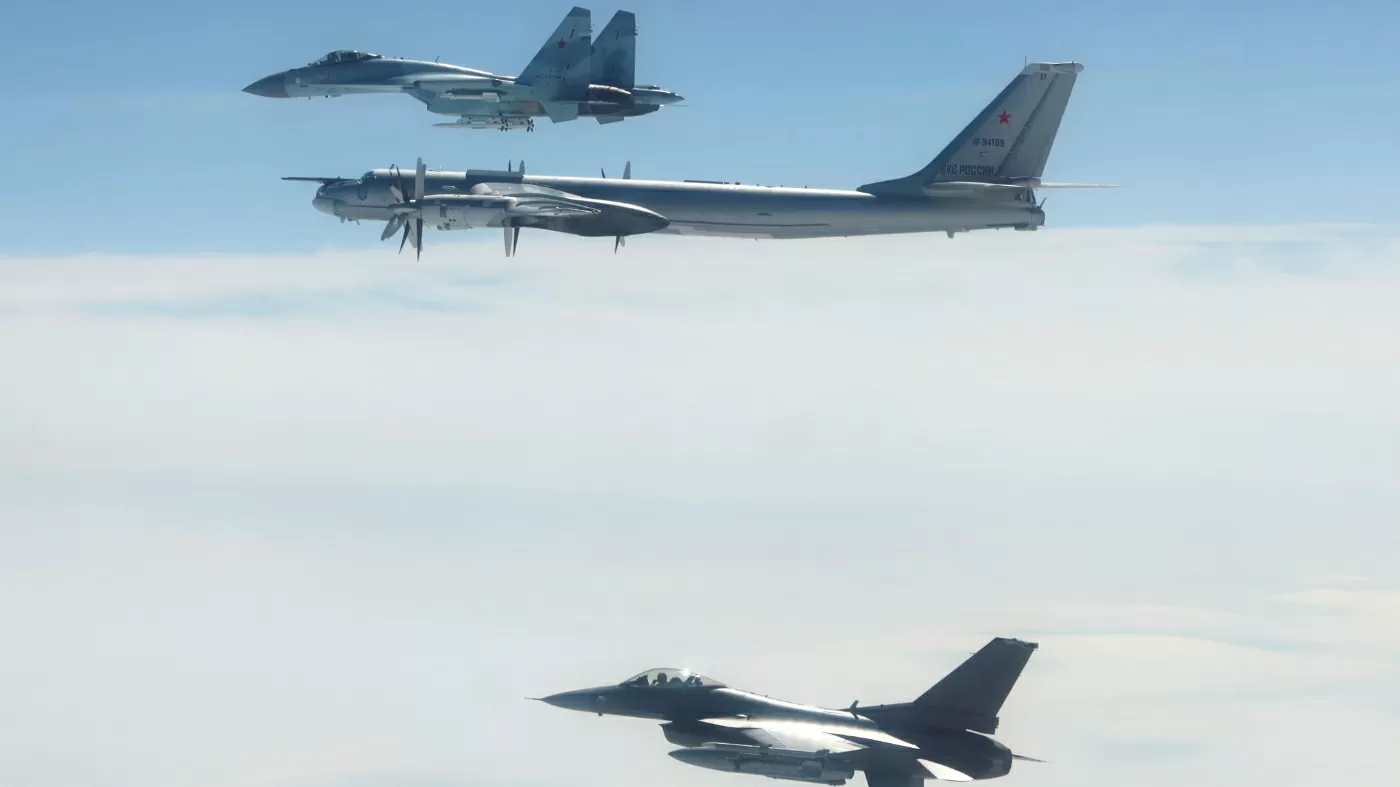
In a display of strength and preparedness, the U.S. fighter jets were called to intercept Russian warplanes near Alaska on Thursday. The North American Aerospace Defense Command (NORAD) detected and monitored two Russian Tu-95s bomber planes, two Su-35s fighter planes, and one A-50 spy plane as they entered the Alaskan Air Defense Identification Zone (ADIZ).
According to the officials, these Russian planes were intercepted and escorted by the U.S. fighter jets until they departed the ADIZ. This is not the first time that Russian warplanes have been detected near Alaska, but it serves as a reminder of the ongoing tensions between the two nations.
The quick response of the U.S. fighter jets symbolizes the unwavering commitment of the U.S. to protect its airspace and its allies. The presence and preparedness of the U.S. military have been critical in maintaining stability and security in the Arctic region.
The interception of these Russian planes also highlights the close collaboration between NORAD and the U.S. Air Force. NORAD is a joint organization between Canada and the U.S. responsible for the aerospace warning and control for North America. The successful interception is a testament to the extensive training and cooperation between the two nations.
The U.S. officials also emphasized that the Russian planes did not enter the sovereign airspace of the U.S. or Canada. However, the escalation of such incidents is a cause of concern and underlines the need for constant vigilance and preparedness.
The ADIZ was established in 1950 as a safety measure to protect the airspace of North American countries from potential hostile aircraft. Non-military aircraft entering the ADIZ must identify themselves and their flight plans to NORAD for monitoring and tracking. In case of any suspicious activity, it is the responsibility of NORAD to respond and take necessary action to protect the airspace.
The interception of these Russian warplanes also serves as a reminder of the importance of the Arctic region in global security. With its vast resources and strategic location, the Arctic has become a hotspot for geopolitical tensions. It is essential for nations to work together and maintain stability in the region.
The U.S. has consistently called for responsible behavior and adherence to international laws and norms in the Arctic. The recent interception of Russian warplanes is a clear message that the U.S. is committed to preserving the safety and security of the region.
This interception also highlights the importance of modern and advanced military capabilities. The U.S. fighter jets were able to successfully intercept and escort the Russian planes due to their superior technology and training. The U.S. continues to invest in its military to maintain its position as a global superpower and ensure the safety of its people and allies.
The successful intercept also sends a message to other potential adversaries that the U.S. military is always prepared to defend its interests and allies. This incident has once again demonstrated the strength and readiness of the U.S. military to respond to any threat to the nation’s security.
In conclusion, the interception of Russian warplanes near Alaska serves as a reminder of the ongoing tensions between the two nations. It also demonstrates the close cooperation between NORAD and the U.S. Air Force and highlights the need for continued investment in military capabilities. The U.S. remains committed to protecting its airspace and allies and will continue to take necessary measures to maintain stability in the Arctic region.

