
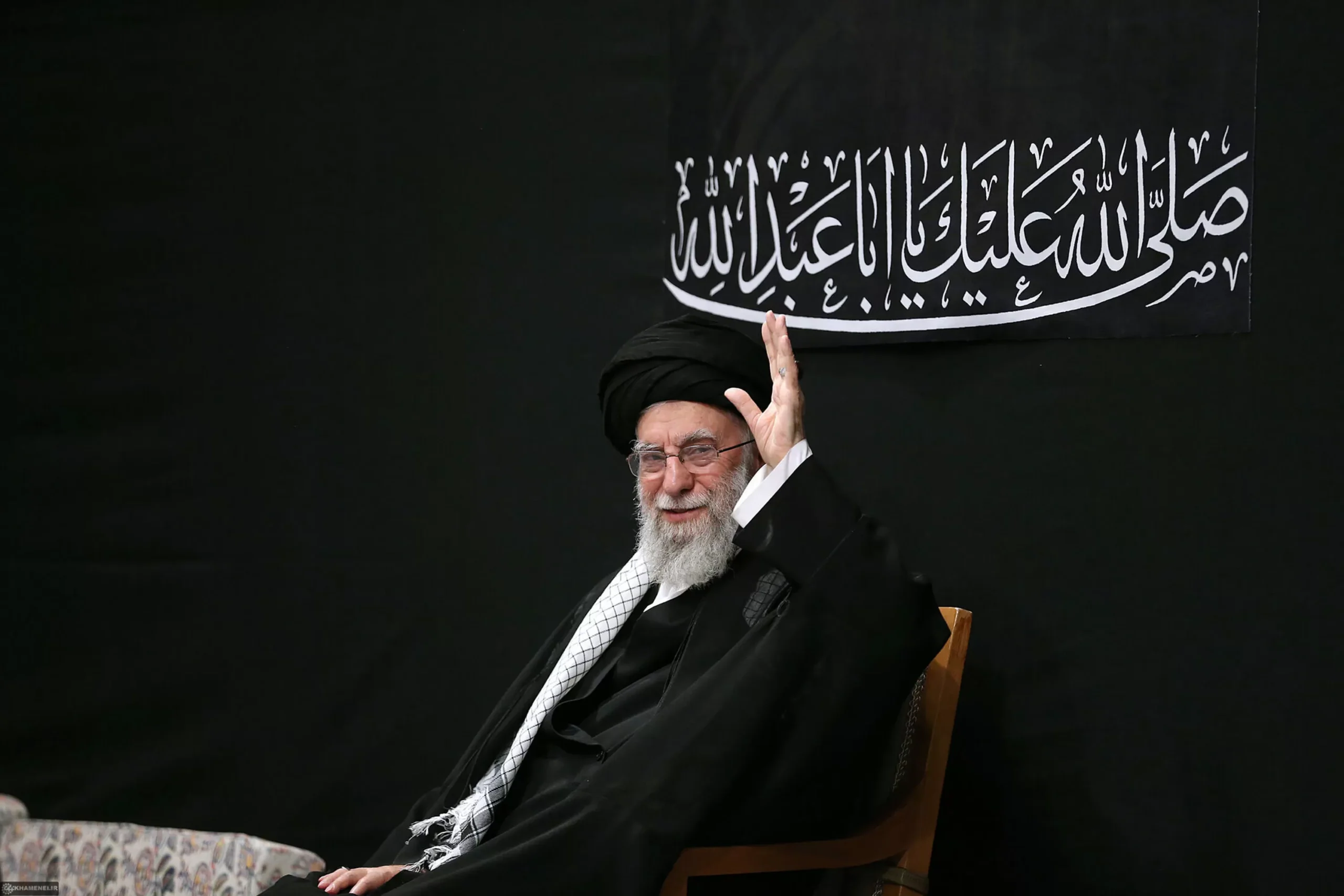
Perspective: Supreme Leader Ayatollah Ali Khamenei’s Legacy of Repression in Iran
For over three decades, Iran has been under the rule of Supreme Leader Ayatollah Ali Khamenei. During his time in power, he has been known for his iron-fisted approach to governance, using repression and violence to maintain control over the country. As he steps down from his position, it is important to reflect on his legacy and the impact it has had on the people of Iran.
Khamenei rose to power in 1989, following the death of the Islamic Republic’s founder, Ayatollah Ruhollah Khomeini. He was appointed as the Supreme Leader, the highest ranking political and religious authority in Iran, and has held this position for over 30 years. During his reign, he has been responsible for shaping the country’s political, social, and economic landscape, but unfortunately, his legacy is one of repression and bloodshed.
One of the most significant aspects of Khamenei’s rule has been his suppression of political dissent. Under his leadership, Iran has become a country where freedom of speech and expression are severely restricted. Any form of criticism or opposition to the government is met with harsh punishment, including imprisonment, torture, and even execution. This has created a climate of fear and intimidation, where citizens are afraid to speak out against the regime.
The media in Iran is also heavily controlled by the government, with strict censorship laws in place. Journalists and media outlets are constantly monitored, and any content deemed to be against the regime is swiftly shut down. This has resulted in a lack of independent and unbiased reporting, leaving the people of Iran with limited access to information and the truth.
Khamenei’s rule has also been marked by widespread human rights abuses. The regime has a long history of targeting minority groups, including the Baha’i community, Kurds, and religious minorities. These groups have faced discrimination, persecution, and violence at the hands of the government. Women’s rights have also been severely restricted, with laws in place that discriminate against them and limit their freedoms.
The use of violence and repression to maintain power has been a common tactic of Khamenei’s regime. The 2009 Green Movement, a peaceful protest against the disputed presidential election, was met with a brutal crackdown by the government, resulting in the deaths of hundreds of protesters and the imprisonment of thousands. This event is just one example of the regime’s willingness to use force to suppress any form of dissent.
Khamenei’s legacy also includes a struggling economy and widespread corruption. Despite Iran’s vast oil reserves, the country’s economy has been in a state of decline for years, with high unemployment rates and inflation. The regime’s mismanagement and corruption have only worsened the situation, leaving many Iranians struggling to make ends meet.
As Khamenei steps down from his position, it is clear that his legacy is one of repression, violence, and a disregard for human rights. His rule has left a deep scar on the people of Iran, who have suffered under his authoritarian regime for far too long. However, as the country moves towards a new era, there is hope for change and a brighter future.
The recent protests in Iran, sparked by economic hardships and political discontent, have shown that the people are no longer willing to accept the status quo. They are demanding change and calling for a more democratic and inclusive government. This is a clear indication that the people of Iran are ready for a new chapter, one that is free from repression and violence.
As we reflect on Khamenei’s legacy, it is important to remember that the people of Iran are not defined by his rule. They are a resilient and courageous nation, who have shown time and time again that they will not be silenced. As they continue to fight for their rights and a better future, we must stand in solidarity with them and support their quest for freedom and democracy.
In conclusion, Supreme Leader Ayatollah Ali Khamenei’s legacy in Iran is one of repression, violence, and a disregard for human rights. His rule has left a bloody stain on the country, but as he steps down, there is hope for a new beginning. The people of Iran deserve a government that respects their rights and works towards their prosperity. It is time for a change, and we must continue to support the people of Iran in their pursuit of a brighter

