
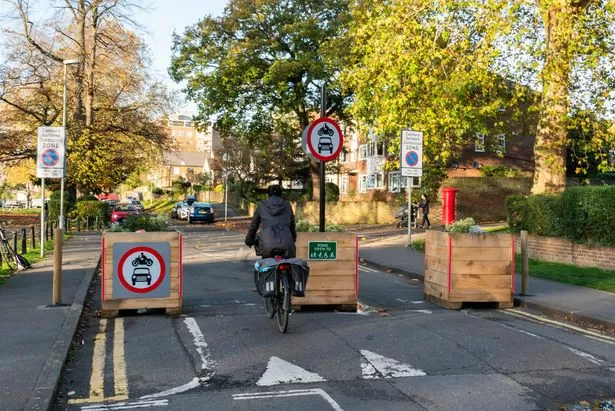
In a recent ruling by the High Court, it has been declared that six controversial Low Traffic Neighbourhood (LTN) schemes will have to be removed. This has sparked a debate among residents, local authorities and environmentalists. While some are rejoicing, others are expressing disappointment and concern over the decision. However, it is important to understand the reasons behind this ruling and what it means for the future of LTNs.
Firstly, let us understand what LTNs are and why they were implemented. LTNs are traffic management schemes that aim to reduce the amount of traffic and improve air quality in residential areas. They usually involve closing off certain roads to through traffic, making it more difficult for vehicles to pass through and encouraging people to choose alternative modes of transport. The idea behind these schemes is to create a safer and more pleasant environment for pedestrians and cyclists, reduce noise and air pollution, and promote greener means of transportation.
However, the implementation of LTNs has been met with mixed reactions. While some residents have welcomed the changes, others have raised concerns about increased traffic on surrounding roads, longer journey times, and lack of consultation before the schemes were put in place. This has led to a number of legal challenges, with six of them resulting in the recent High Court ruling.
The High Court has declared that the implementation of these six LTN schemes was unlawful, as they were not properly consulted or assessed for potential negative impacts. This has raised questions about the effectiveness and legality of LTNs in general, and has caused tension between those who support and oppose them.
However, it is important to note that the ruling only applies to these specific schemes, and does not mean that all LTNs will be removed. In fact, the court has acknowledged that LTNs can bring positive changes, but it is the way they are implemented that needs to be carefully considered. This ruling serves as a reminder that proper consultation and assessment are crucial in making changes to our communities, and that the needs and concerns of all stakeholders should be taken into account.
The decision to remove these six LTNs may come as a disappointment to those who have been advocating for greener and more sustainable transport options. However, it is important to view this as an opportunity to learn and improve. A more inclusive and transparent approach in implementing these schemes can lead to better outcomes for everyone involved.
It is also worth noting that the High Court ruling does not mean that the goal of reducing traffic and improving air quality in residential areas is no longer valid. On the contrary, it highlights the need for alternative solutions and collaborative efforts between local authorities, residents and environmentalists. This is a chance for all parties to come together and find more effective ways to achieve a common goal.
LTNs have been a hot topic in recent times, and this ruling has once again put them in the spotlight. While some may view it as a setback, it can also be seen as an opportunity for progress. Proper consultation and assessment can lead to better implementation of LTNs, and ultimately, a more sustainable and environmentally-friendly way of living.
In conclusion, the recent High Court ruling to remove six controversial LTN schemes should not be seen as a defeat, but rather as a chance for improvement. While it may be a setback for some, it highlights the importance of proper consultation and assessment in implementing changes that affect our communities. Let us use this as an opportunity to come together and find better and more effective ways to create a greener and more sustainable future for all.

