
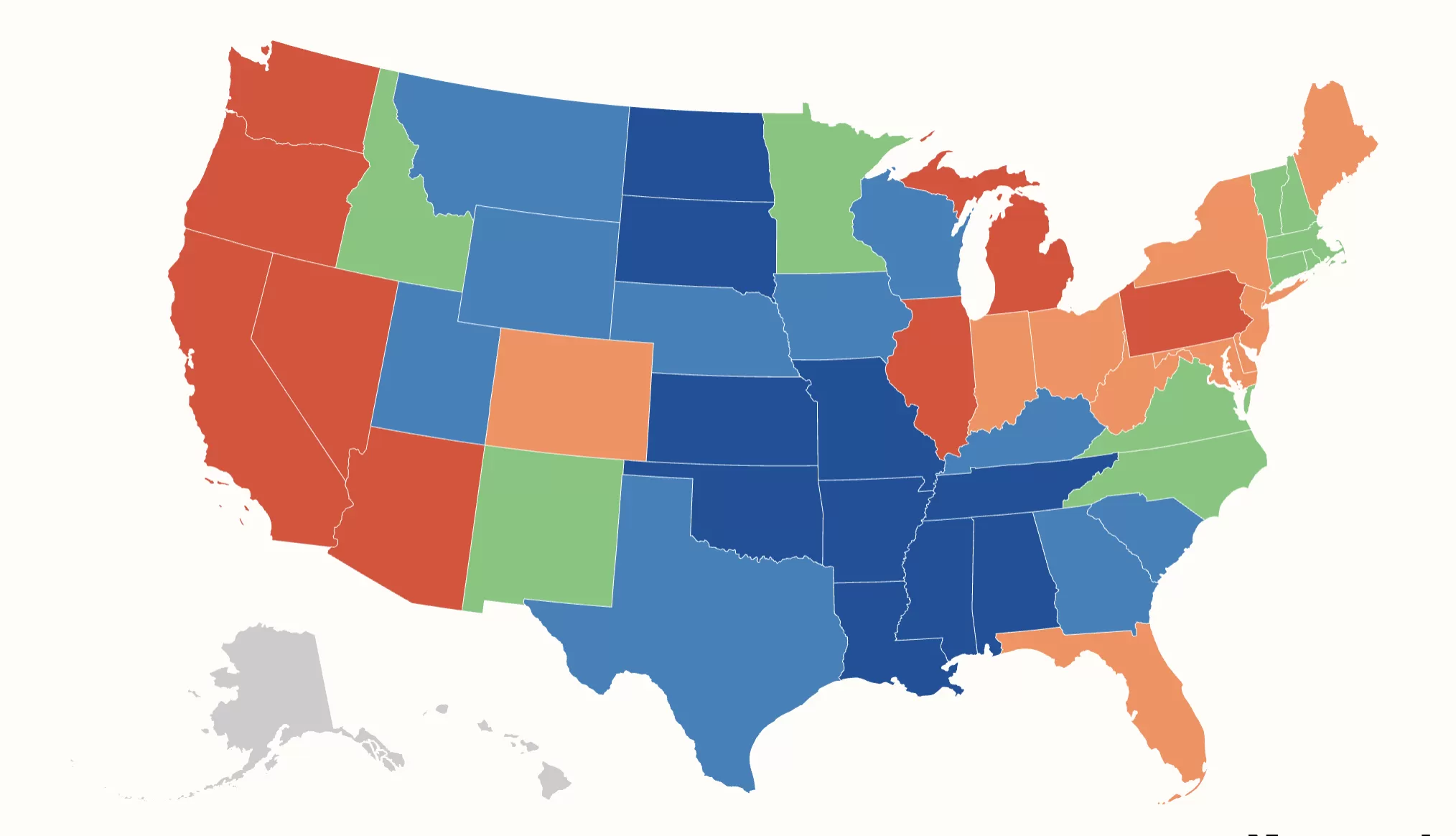
Gas prices in the U.S. have been on the rise in recent months, with experts predicting that this trend will continue unless the Strait of Hormuz reopens. This narrow waterway, located between Iran and Oman, is a crucial route for oil tankers transporting oil from the Middle East to the rest of the world. The recent closure of the strait has caused a ripple effect in the global oil market, leading to an increase in gas prices in the U.S. and other countries. However, there is hope that the situation will improve if the strait reopens.
The Strait of Hormuz is responsible for the transportation of approximately 20% of the world’s oil supply. Its closure has caused a significant disruption in the global oil market, leading to an increase in gas prices. In the U.S., gas prices have already reached an average of $3 per gallon, and experts warn that if the strait remains closed, prices could continue to soar.
The closure of the strait was triggered by rising tensions between the United States and Iran. The U.S. has imposed sanctions on Iran, including a ban on its oil exports, in an effort to pressure the country to renegotiate the 2015 nuclear deal. In response, Iran has threatened to close the Strait of Hormuz, a move that has now become a reality.
The closure of the strait has not only affected gas prices but also the global economy. As the world’s largest oil consumer, the U.S. relies heavily on the supply of oil from the Middle East. With the strait closed, the U.S. is forced to look for alternative sources of oil, which are often more expensive. This, in turn, leads to an increase in gas prices, as the cost of production and transportation is passed on to the consumer.
The rise in gas prices has a significant impact on the daily lives of Americans. It affects not only their commute to work but also the prices of goods and services. As gas prices increase, the cost of transportation for goods also goes up, resulting in higher prices for consumers. This can have a domino effect on the economy, as consumers may cut back on spending, leading to a slowdown in economic growth.
However, there is hope that the situation will improve if the Strait of Hormuz reopens. The U.S. has been working with its allies to find a solution to the crisis and has urged Iran to de-escalate tensions. There have been reports of negotiations between the two countries, raising hopes that the strait may reopen soon.
If the strait reopens, it will have a positive impact on the global oil market and, in turn, gas prices. The increased supply of oil will help stabilize prices, providing much-needed relief to consumers. It will also help boost the global economy, as the cost of production and transportation will decrease, leading to lower prices for goods and services.
Moreover, the reopening of the strait will also have a positive impact on the environment. With gas prices on the rise, many consumers may opt for more fuel-efficient vehicles or alternative modes of transportation, such as public transport or electric cars. This will not only reduce their fuel expenses but also help reduce carbon emissions, contributing to a cleaner and greener planet.
In conclusion, the closure of the Strait of Hormuz has had a significant impact on gas prices in the U.S. and the global economy. However, there is hope that the situation will improve if the strait reopens. The U.S. and its allies are working towards finding a solution to the crisis, and negotiations with Iran are underway. The reopening of the strait will not only stabilize gas prices but also have a positive impact on the environment. Let us remain optimistic and hope for a swift resolution to this crisis so that we can all enjoy affordable gas prices once again.

