
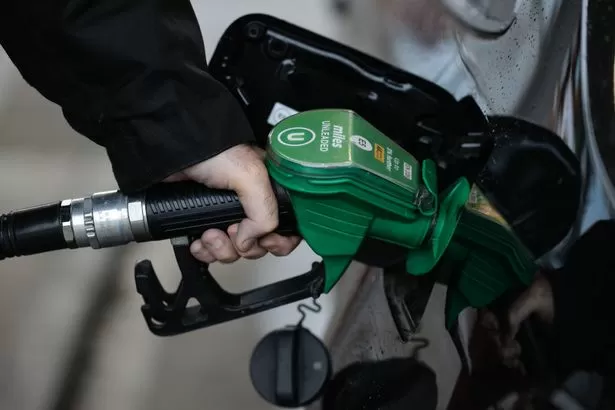
The ongoing conflict in the Middle East has caused a significant impact on fuel prices, with petrol prices skyrocketing by 5p per litre and diesel prices increasing by a staggering 9p per litre. This sudden surge in fuel costs has caused great concern among individuals and businesses alike.
Since the conflict began, the world has witnessed a steady rise in fuel prices. This has been a cause of worry for many, as it directly affects their daily expenses and overall cost of living. With petrol prices now reaching 137.5p per litre and diesel prices hitting 151.0p per litre, it has become more important than ever to understand the reasons behind this sharp increase.
The main reason for the rise in fuel costs can be attributed to the ongoing conflict in the Middle East. The region is a major producer of oil and any disruption in its production has a direct impact on global fuel prices. The tensions between the United States and Iran have led to a decrease in oil supply, resulting in an increase in demand and ultimately causing the surge in fuel costs.
Moreover, the weakening of the pound against the dollar has also contributed to the rise in fuel prices. As oil is traded in dollars, the weaker pound has made it more expensive for the UK to import oil, thus leading to an increase in fuel costs.
The impact of these rising fuel prices can be felt in all aspects of our daily lives. From transportation to grocery prices, everything is affected by the increase in fuel costs. For businesses, this means higher overhead costs, which can ultimately result in an increase in the prices of goods and services. This can have a ripple effect on the economy, causing a slowdown in growth and affecting the overall financial stability of the country.
However, it is not all doom and gloom. The rise in fuel prices also presents an opportunity for us to rethink our consumption habits and make more sustainable choices. With fuel costs at an all-time high, it is now more important than ever to conserve energy and explore alternative sources. This can not only help us reduce our expenses but also contribute to a greener and more sustainable environment.
Additionally, the increase in fuel prices also highlights the need for governments to invest in renewable and clean energy sources. As the world is moving towards a more environmentally friendly future, it is crucial for governments to take proactive measures to reduce our dependency on fossil fuels and promote the use of renewable energy sources.
Furthermore, the rise in fuel prices can also have a positive impact on the automobile industry. With fuel costs on the rise, there is now a greater demand for fuel-efficient vehicles. This can lead to an increase in research and development of eco-friendly cars, ultimately benefitting both the environment and consumers.
In conclusion, while the increase in fuel prices may seem like a cause for concern, it also presents an opportunity for us to make positive changes in our lifestyles and promote a more sustainable future. It is important to understand the reasons behind the rise in fuel costs and take necessary steps to reduce our carbon footprint. As individuals, we can make small changes in our daily lives, such as carpooling or using public transport, to reduce our fuel consumption. And as a society, it is crucial for us to push for investments in renewable energy sources and encourage the use of fuel-efficient vehicles. With a collective effort, we can overcome the challenges posed by the increase in fuel prices and create a better, greener future for generations to come.

