
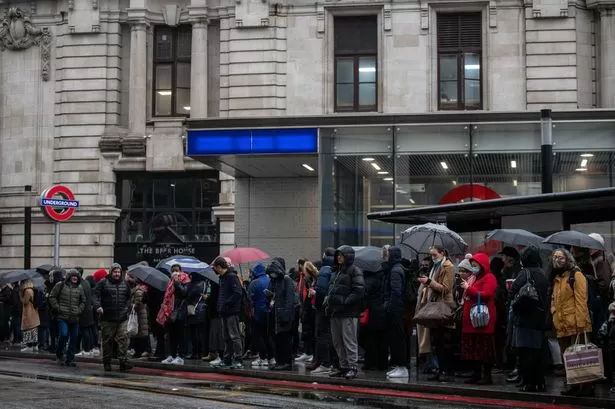
The Rail, Maritime and Transport Union (RMTU) has recently declared the dates for seven 24-hour strikes, affecting the transportation industry in the country. This decision has been met with mixed reactions, with some expressing concern over the impact it may have on commuters and the economy. However, the union has stated that these strikes are necessary in order to ensure fair treatment and protection of their members’ rights.
The RMTU represents workers in the rail, maritime, and transport sectors, including train and bus drivers, seafarers, and other transportation staff. They have been in negotiations with various companies within these industries for better pay and working conditions. After months of unsuccessful discussions, the union has decided to take a stand and use their right to strike in order to bring attention to their demands.
The first strike is scheduled to take place on August 25th, followed by six more strikes on different dates throughout the following months. This may cause disruptions in train and bus services, as well as ferry and shipping routes. The union has apologized in advance for any inconvenience caused to commuters, but they maintain that these strikes are necessary to bring about change and improvement in the workplace.
One of the main issues the RMTU is fighting for is fair wages. Many transportation workers have reported low salaries and long working hours, with some even having to work double shifts due to staff shortages. The union is also pushing for better safety standards, as there have been increasing reports of accidents and injuries in the workplace. They believe that these issues must be addressed in order to ensure the well-being and livelihood of their members.
The RMTU has also expressed concern over the increasing privatization of the transportation industry, which they believe puts profit over the well-being of workers. They are calling for more government intervention and regulation in order to protect the rights of transportation employees.
Despite the potential disruptions, the RMTU has received overwhelming support from its members and other unions in the country. Many have echoed the sentiment that it is time for workers to take a stand and demand fair treatment. The strikes have also received public support, with many acknowledging the important role transportation workers play in keeping the country running.
In response to these strikes, the companies involved have expressed their disappointment and have urged the union to return to the negotiating table. However, the RMTU has made it clear that they will continue with their planned strikes until their demands are met.
Some have raised concerns about the financial impact these strikes may have on the economy, as well as the inconvenience it may cause for commuters. However, the RMTU believes that the long-term benefits of these strikes will outweigh any short-term inconveniences. They are confident that their actions will lead to positive change and improvements in the transportation industry.
The RMTU has a long history of fighting for the rights of transportation workers and has achieved many successes in the past. They are determined to continue this legacy and ensure that their members are treated fairly and with respect. These strikes are a reflection of their strong commitment to their cause and their members.
In conclusion, the RMTU’s decision to hold seven 24-hour strikes may cause disruptions, but it is a necessary step towards achieving fair treatment and protection of workers’ rights. The union urges commuters and the public to understand their cause and support their actions. Let us stand with the RMTU and show our appreciation for the hardworking men and women who keep our transportation industry running. These strikes are not just about the workers, but about creating a fair and just society for all.

