
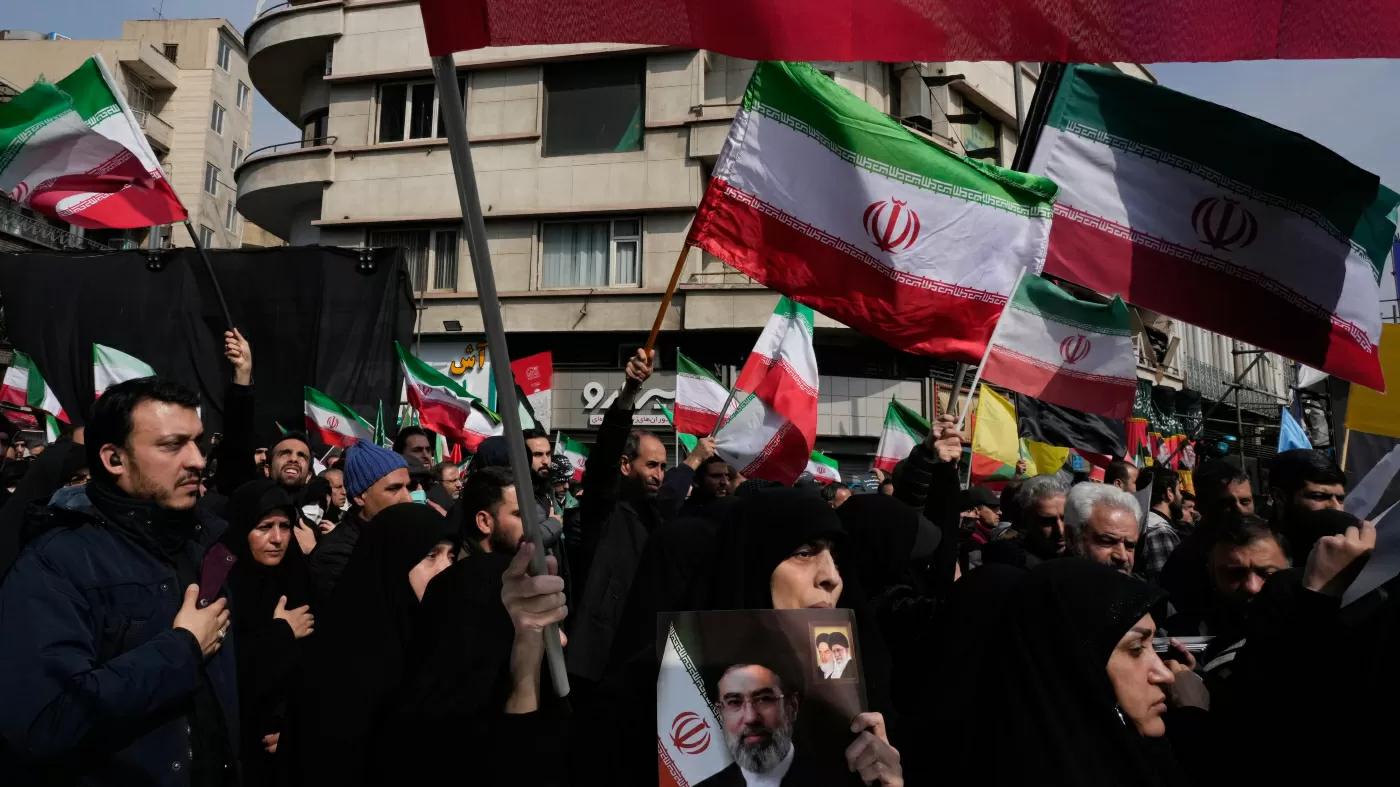
In recent weeks, the world has been watching with bated breath as tensions between the United States and Iran have escalated to dangerous levels. As we continue to see disturbing news and images of the conflict online, parents and educators are facing the difficult task of navigating conversations about war with their children. From the deaths of U.S. service members to a strike on an Iranian school killing more than 150 people, the horrors of war are becoming increasingly difficult to shield our children from. As experts warn, it is crucial that we approach these conversations with sensitivity and care, as the impact on our children can be significant.
The images and stories of war that flood our news feeds and television screens can be overwhelming for anyone, let alone young minds. That is why it is essential for parents and educators to address the issue and provide a safe space for children to express their thoughts and fears. Ignoring the topic or brushing it under the rug will not make it go away. Children are often more aware and perceptive than we give them credit for, and it is our responsibility to help them make sense of what is happening in the world.
It is important to remember that every child will react differently to the news of war. Some may become anxious and fearful, while others may become desensitized or indifferent. As parents and educators, it is our role to reassure our children and provide them with the necessary support and guidance during these difficult times. This includes being honest and age-appropriate in our discussions and addressing any questions or concerns they may have.
For younger children, it is crucial to provide a sense of safety and security. This can be achieved by emphasizing the role of the adults in protecting them and highlighting the efforts of organizations like the Red Cross in providing aid and assistance to those affected by war. It is also essential to limit their exposure to graphic images and news reports that may be too distressing for them to handle. Instead, focus on teaching them empathy and promoting peaceful conflict resolution.
Older children and teenagers may have a better understanding of the situation but can still struggle to process the complex and often conflicting information they are bombarded with. This age group is also more likely to turn to social media for news, making it crucial for parents and educators to monitor their online activity and provide guidance on reputable sources. Encourage them to engage in critical thinking and to question the information they are presented with. It is also essential to remind them that just because something is shared on social media does not make it true, and that spreading misinformation can escalate tensions further.
Educators also play a vital role in shaping young minds and providing them with the necessary tools to process and respond to the news of war. History and social studies classes can provide a platform for students to discuss the causes and consequences of war, as well as the importance of diplomacy and peaceful resolution. It is also essential for teachers to be aware of the emotional impact the news of war may have on their students and to be prepared to address any concerns or questions they may have.
Ultimately, the key to navigating difficult conversations about war with children is to create an open and safe environment for them to express their thoughts and feelings. This means being honest, sensitive, and age-appropriate in our discussions, while also providing reassurance and promoting empathy and critical thinking. As we continue to navigate through these challenging times, let us remember to be a source of support and guidance for our children, and to instill in them the values of peace, compassion, and understanding.

