
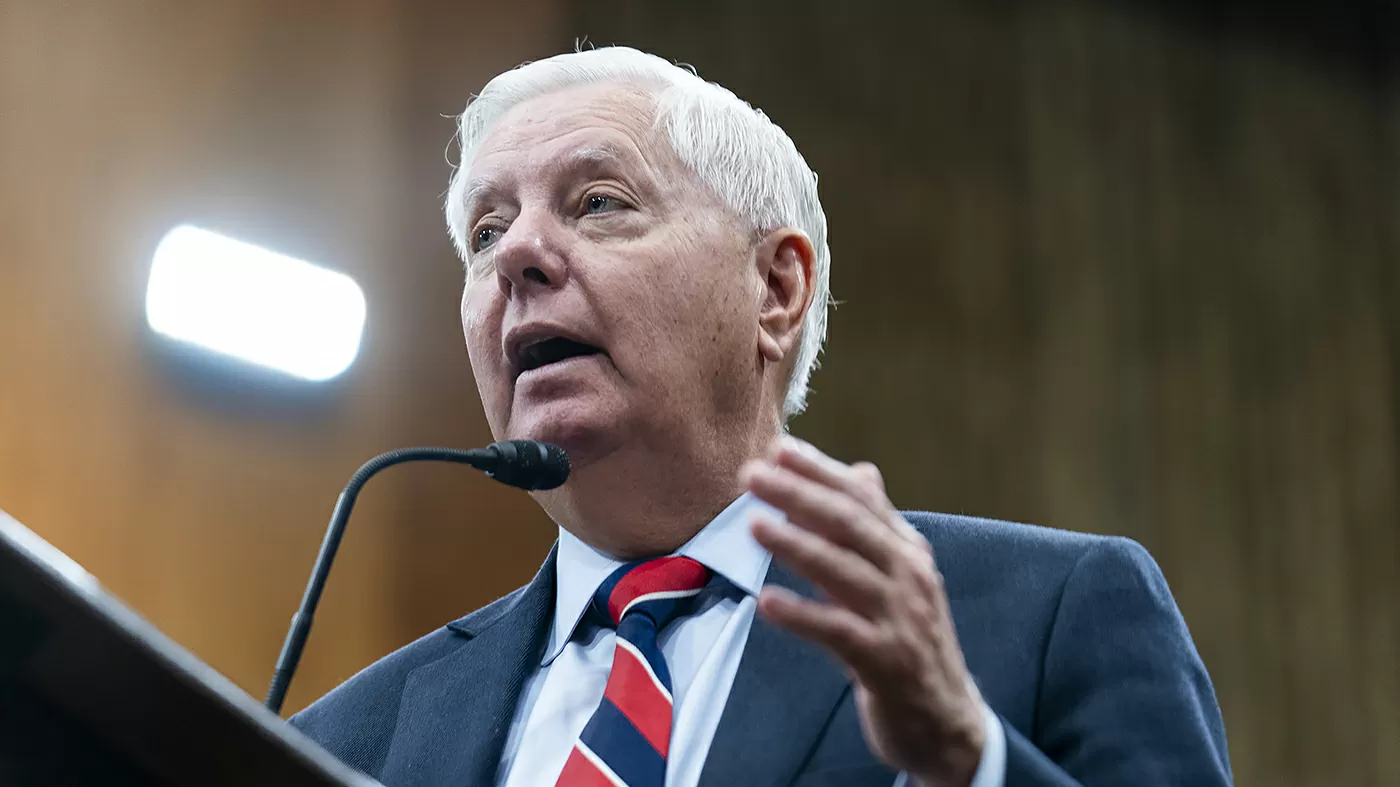
In a strong and stern rebuke, Sen. Lindsey Graham (R-S.C.) took aim at European allies on Tuesday for their reluctance to assist in the protection of the Strait of Hormuz. In a post to social media, Graham did not hold back in expressing his frustration with the lack of support from these nations, warning of potential consequences for their ongoing alliances.
The Strait of Hormuz, a crucial waterway in the Middle East, is currently facing heightened tensions due to ongoing conflicts between Iran and the United States. In an effort to ensure the safe passage of ships through this strategic route, the U.S has been calling upon its allies to join in its efforts. However, according to Sen. Graham, the response from European countries has been woefully inadequate.
“I have spoken with President Trump about our European allies’ unwillingness to provide assets to keep the Strait of Hormuz open,” Sen. Graham wrote on Twitter. “Their lack of support is deeply concerning and will have wide and deep repercussions for our alliances.”
It is no secret that the U.S and its allies have been facing challenges in their relationship with Iran since the U.S withdrawal from the 2015 nuclear deal. The tensions have only escalated in recent months due to attacks on oil tankers and the downing of a U.S drone by Iran. In response, the U.S has deployed additional troops and military assets in the region, and has been urging its allies to do the same.
However, despite these efforts, many European countries have been hesitant to commit their own military assets to the cause. This reluctance has sparked concerns among U.S officials, who see it as a lack of solidarity and commitment from their long-standing allies.
Sen. Graham’s comments reflect the frustration and disappointment that many in the U.S are feeling towards their European partners. It is understandable that the U.S would expect its allies to support them in such a critical matter, especially considering the shared values and history that they have built upon.
Furthermore, the protection of the Strait of Hormuz is not just a concern for the U.S, but for the global economy as well. Nearly a fifth of the world’s oil supply passes through this route, making it imperative to keep it open for safe passage. And while the U.S has taken the lead, it cannot do it alone. As Sen. Graham pointed out, the lack of support from these European countries will have consequences that go beyond just their alliances.
It is time for these European nations to step up and show their commitment to this cause. The U.S has always been a staunch supporter of its allies, and it is time for them to reciprocate that support. The road to achieving a peaceful and stable Middle East is a joint effort, and the U.S cannot be expected to carry the burden alone.
The U.S is not asking its allies to blindly support their actions, but rather to come together and find a collective solution to the current crisis in the Strait of Hormuz. This is a perfect opportunity for these nations to showcase their unity and strength as allies and stand with their long-standing partner in this time of need.
In conclusion, Sen. Lindsey Graham’s message is a wake-up call to European allies to re-evaluate their priorities and come forward to support the protection of the Strait of Hormuz. The repercussions of their lack of support will not just affect their alliances, but also the global economy. Let us hope that these nations will heed this call and join hands with the U.S in ensuring the safety of this vital waterway. As the saying goes, “United we stand, divided we fall,” and the strength of this alliance lies in its ability to come together and face challenges as one.

