
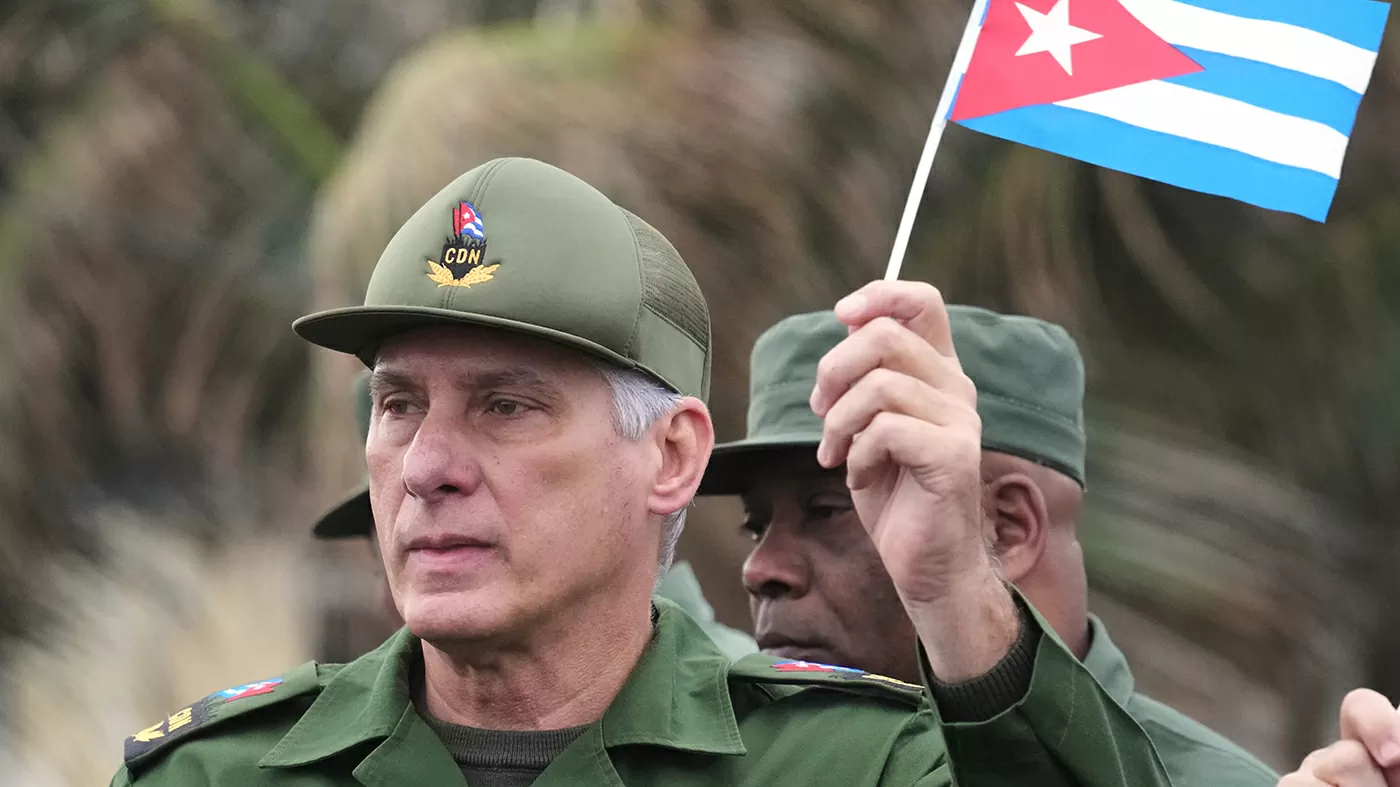
In recent weeks, tensions between the United States and Cuba have once again come to the forefront of international news. President Trump’s recent threats of using military force to bring about regime change in Cuba have sparked widespread concern and debate. However, a recent poll conducted by The Economist/YouGov has revealed that a majority of Americans are against such actions, with 53 percent of respondents expressing their opposition to the use of military force in Cuba.
The poll, which surveyed over 1,500 Americans, sheds light on the sentiments of the American people towards the idea of military intervention in Cuba. It is a clear indication that the majority of Americans do not support the use of their country’s military might to bring about regime change in another nation. This sentiment is in line with the principles of democracy and non-interference in the internal affairs of other countries, which have long been upheld by the United States.
The results of the poll also reflect the changing attitudes of Americans towards Cuba. For decades, the two nations have been at odds, with the US imposing economic sanctions and a trade embargo on the island nation. However, in recent years, there has been a gradual shift towards a more positive relationship between the two countries. This is evident in the increasing number of Americans who are in favor of lifting the embargo and normalizing relations with Cuba.
The poll also highlights the fact that Americans are not in favor of using military force as a means of achieving political goals. This is a significant departure from the past, where the US has been known to intervene in the affairs of other countries, often with disastrous consequences. The American people have learned from these experiences and are now more cautious when it comes to military intervention.
President Trump’s recent threats of using military force in Cuba have been met with widespread criticism and concern. Many fear that such actions could lead to a repeat of past mistakes, where US intervention has only caused more harm than good. The poll results show that the American people are not willing to risk the lives of their soldiers and the stability of another nation for the sake of political gain.
Moreover, the poll also reveals that Americans are aware of the potential consequences of military intervention in Cuba. The island nation is a mere 90 miles from the US, and any military action could have far-reaching implications for both countries. The American people understand that such actions could lead to a prolonged conflict, loss of innocent lives, and damage to the already fragile relationship between the two nations.
It is heartening to see that the majority of Americans are against the use of military force for regime change in Cuba. This is a testament to the values of democracy and peace that the United States stands for. It also sends a strong message to the government that the American people do not support reckless and aggressive actions that could have severe consequences.
In conclusion, the recent poll conducted by The Economist/YouGov has shed light on the sentiments of the American people towards the use of military force in Cuba. The results show that a majority of Americans are against such actions, and it is a clear indication that the government should listen to the voices of its people. The American people have spoken, and it is time for the government to heed their call for peace and diplomacy instead of aggression and conflict. Let us hope that this message is heard loud and clear, and that the relationship between the US and Cuba can continue to improve through peaceful means.

