
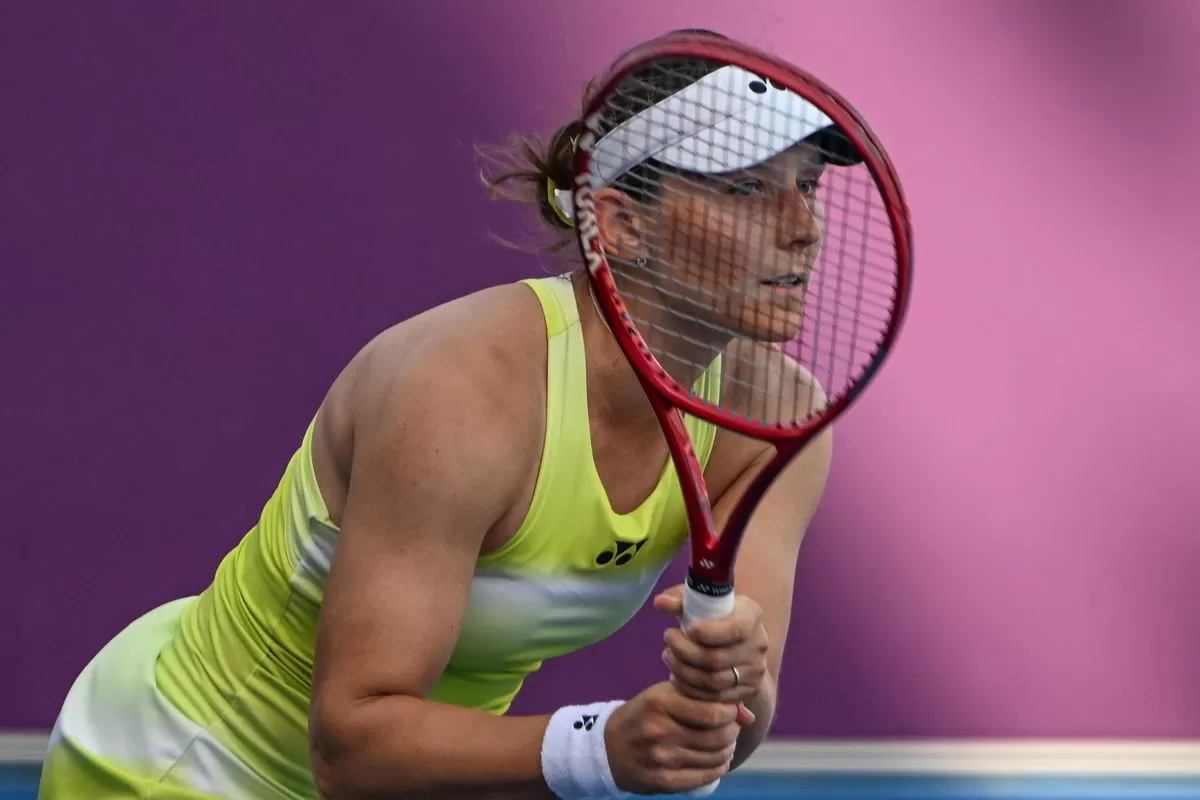
Anterior cruciate ligament (ACL) tears are often referred to as one of the most devastating setbacks in sports, striking in a split second when athletes make quick movements or change direction under immense pressure. These injuries can be career-ending and have a long recovery time, causing athletes to miss out on major events and potentially derailing their entire career. Among the athletes who are most susceptible to this injury are women, especially young athletes, as they face nearly triple the risk due to lower hamstring and glute strength and estrogen-driven ligament laxity. The latest victim of this brutal injury is 25-year-old WTA star Varvara Gracheva, whose comeback timeline is now uncertain.
Gracheva, the young Russian tennis player, was competing in the 2021 WTA Volvo Car Open in Charleston, when she suffered a sudden ACL tear. It was a devastating moment for both Gracheva and her fans, as she was forced to retire from the match against Christina McHale in the first round. The injury has now sidelined her from the sport, and it is unclear when she will be able to return to the court.
ACL tears are a common injury among athletes, especially those who participate in high-intensity sports such as tennis, basketball, and football. They occur when the ACL, a ligament that connects the thighbone to the shinbone, tears or sprains. This can happen due to sudden movements, collisions, or pivoting while running. The injury can range from a mild sprain to a complete tear, and the recovery time can vary from a few weeks to several months.
What makes ACL tears even more challenging for athletes, especially women, is their susceptibility to the injury. Studies have shown that young female athletes are nearly three times more likely to suffer from ACL tears compared to their male counterparts. This can be attributed to the anatomical differences between men and women, such as a wider pelvis, which can lead to a greater angle between the thighbone and lower leg, putting more stress on the ACL. Additionally, women have lower hamstring and glute strength, which can also contribute to the likelihood of ACL tears.
Another factor that puts women at a higher risk of ACL tears is estrogen. This hormone plays a crucial role in maintaining the elasticity of ligaments, and higher levels of estrogen can increase the laxity of the ACL, making it more prone to injuries. This is especially relevant for young female athletes, as they experience hormonal changes during puberty, which can make them more vulnerable to ACL tears.
For Gracheva, this injury comes as a major blow to her career, as she was showing promising results on the WTA tour. She had achieved her career-high ranking of 66th in the world last year and was looking to make a mark on the tour this season. However, this injury has now left her comeback timeline uncertain, and it will be a challenging road to recovery for the young player.
ACL tears not only have physical implications but can also take a toll on an athlete’s mental state. The recovery process can be long and challenging, and many athletes struggle with the fear of re-injury, which can affect their performance even after they have recovered. Furthermore, the long period of inactivity can lead to a loss of form and rhythm, making it difficult for athletes to pick up where they left off.
However, it is important to remember that ACL tears are not the end of an athlete’s career. With proper rehabilitation and support, many athletes have made successful comebacks from this injury. One such example is tennis superstar Serena Williams, who suffered an ACL tear in 2011 but went on to win several Grand Slam titles after her recovery. This goes to show that with determination and hard work, it is possible to overcome this setback and come back stronger than ever.
The WTA community has rallied around Gracheva, sending her messages of support and encouragement. The 25-year-old has a long road to recovery ahead of her, but the outpouring of love and support from her fans and fellow players will undoubtedly help her stay positive and motivated during this challenging time.
In conclusion, ACL tears are a brutal injury that can strike any athlete at any time, and Varvara Gracheva is the latest victim to suffer this setback. Women, especially young athletes, face a higher risk of ACL tears due to anatomical and hormonal factors. However, with proper rehabilitation and determination, it is possible to

