
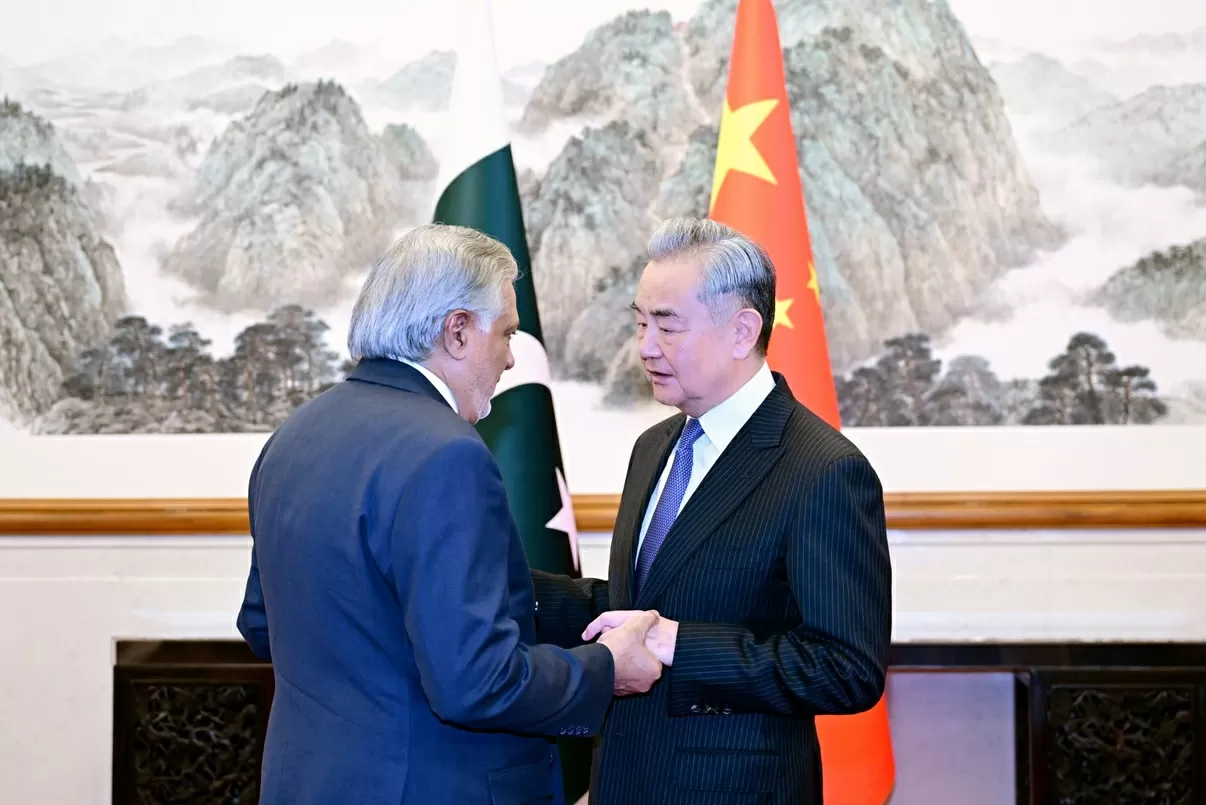
Pakistan has long been known as a key player in the international arena, with its strategic location and diplomatic prowess. However, in recent times, the country has emerged as a crucial intermediary in the backroom negotiations between Washington and Iran. This development has not only highlighted Pakistan’s diplomatic capabilities but has also brought the country into the spotlight as a key player in resolving global conflicts.
The relationship between the United States and Iran has been strained for decades, with both countries engaging in a war of words and imposing sanctions on each other. However, in recent years, tensions have escalated, with the US pulling out of the Iran nuclear deal and imposing harsh sanctions on the country. This has led to a dangerous escalation of hostilities, with the threat of a military confrontation looming over the region.
In such a volatile situation, Pakistan has stepped in as a mediator between the two nations. The country’s Prime Minister, Imran Khan, has been actively involved in backchannel diplomacy, trying to ease tensions and find a peaceful resolution to the conflict. This move has been welcomed by both the US and Iran, who have expressed their appreciation for Pakistan’s efforts.
Pakistan’s role as a mediator is not surprising, given its close ties with both the US and Iran. The country has maintained a strong relationship with the US, being a key ally in the war on terror. On the other hand, Pakistan shares a long border with Iran and has a significant Shia population, making it an important regional player. This unique position has allowed Pakistan to bridge the gap between the two nations and facilitate dialogue.
The recent visit of Pakistan’s Chief of Army Staff, General Qamar Javed Bajwa, to Iran and his meeting with the country’s top leadership is a testament to Pakistan’s efforts in mediating the conflict. During the meeting, General Bajwa emphasized the need for a peaceful resolution and urged both sides to exercise restraint. He also assured Iran of Pakistan’s support in finding a solution to the crisis.
Pakistan’s efforts have not gone unnoticed, with the US and Iran both acknowledging the country’s role in the negotiations. US President Donald Trump has praised Pakistan’s efforts, stating that the country has been “very helpful” in the negotiations. Similarly, Iran’s Foreign Minister, Javad Zarif, has also appreciated Pakistan’s role, stating that the country has “played a positive role in reducing tensions in the region.”
Pakistan’s mediation has not only helped ease tensions between the US and Iran but has also brought the two nations to the negotiating table. In a recent development, the US and Iran have agreed to hold talks in Oman, with Pakistan facilitating the dialogue. This is a significant step towards finding a peaceful resolution to the conflict and avoiding a potential military confrontation.
Pakistan’s role as a mediator in the US-Iran conflict has not only highlighted the country’s diplomatic capabilities but has also strengthened its position in the international community. The country’s efforts have been praised by world leaders, and it has been hailed as a key player in resolving global conflicts. This development has also brought a positive image of Pakistan to the world, showcasing its commitment to peace and stability in the region.
In conclusion, Pakistan’s emergence as an intermediary in the backroom negotiations between Washington and Iran is a significant development that has brought the country into the spotlight as a key player in resolving global conflicts. The country’s diplomatic efforts have been crucial in easing tensions between the US and Iran and have paved the way for dialogue between the two nations. Pakistan’s role in this conflict has not only strengthened its position in the international arena but has also showcased its commitment to promoting peace and stability in the region.

