
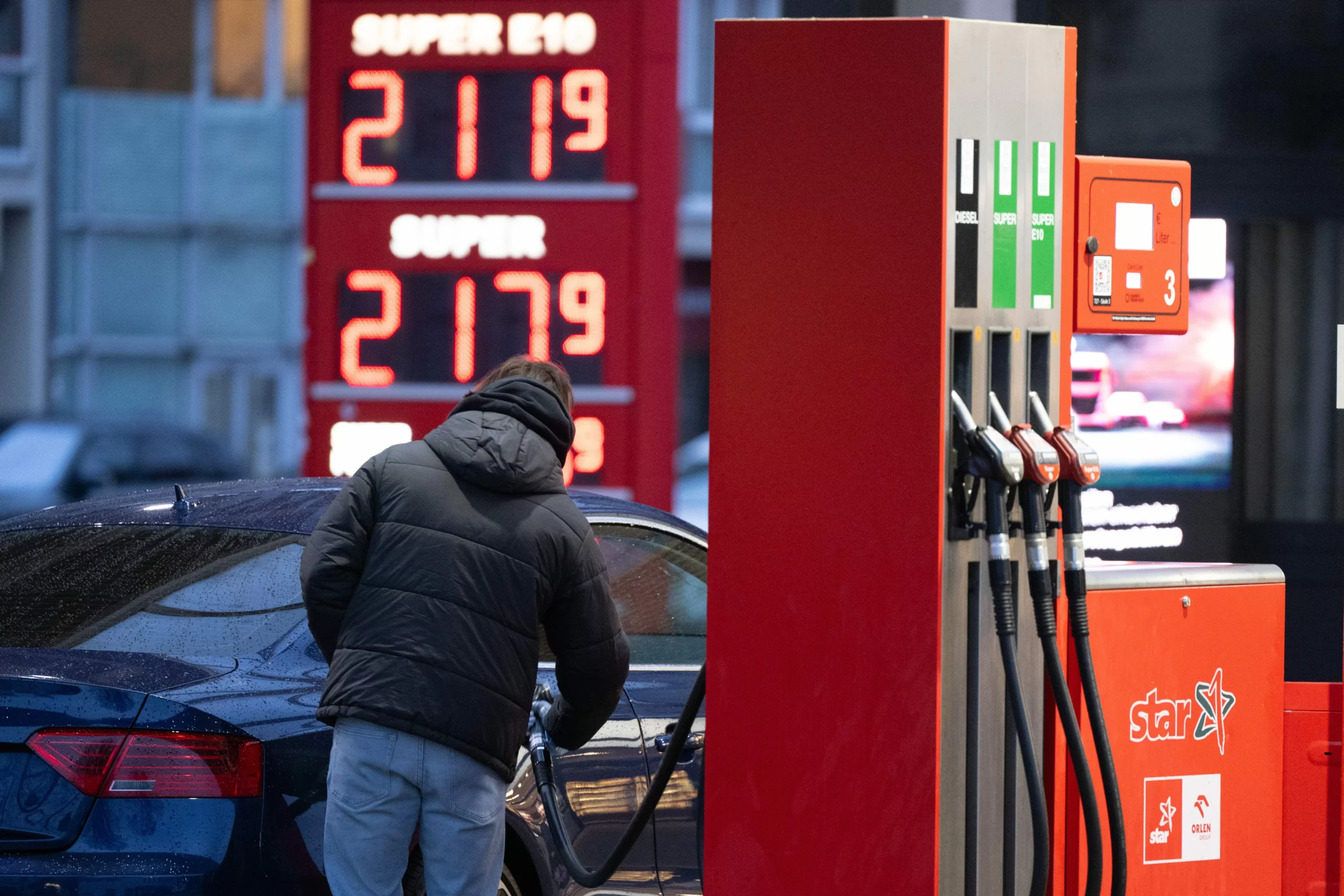
The Middle East has been at the center of global attention once again, with the recent surge in Brent crude oil prices. Since the start of March, the prices have gone up by more than 50 percent, causing concern and speculation among the masses. The root of this rise lies in the ongoing conflict in the region, which has not only impacted the political landscape but also the world economy.
The Middle East has always been a major player in the global oil market, with countries like Saudi Arabia, Iran, Iraq, and the United Arab Emirates being major producers and exporters. However, the volatile political situation in the region has had a significant impact on the production and supply of oil, leading to a surge in prices. The ongoing conflict has disrupted oil production and transportation, resulting in a shortage in the global supply. This, in turn, has caused an unprecedented rise in Brent crude oil prices.
The conflict in the Middle East has been ongoing for decades, with various factors contributing to the turmoil. Political unrest, sectarian violence, and power struggles have all played a role in destabilizing the region. The recent tensions between the United States and Iran have added fuel to the fire, further exacerbating the situation. As a result, the production and distribution of oil have been severely affected, leading to a sharp increase in prices.
The impact of this rise in Brent crude oil prices has been felt globally, with consumers and businesses bearing the brunt of it. The surge in prices has led to an increase in the cost of everyday goods and services, putting a strain on people’s wallets. Businesses have also been affected, with transportation costs going up and profit margins shrinking. The rise in oil prices has also had a ripple effect on other industries, such as aviation and shipping, which heavily rely on oil for their operations.
However, amidst all the chaos and uncertainty, there is a silver lining. The surge in Brent crude oil prices has led to a renewed focus on renewable energy sources. Governments and businesses all over the world are now more determined than ever to shift towards clean and sustainable energy alternatives. This shift will not only reduce our dependence on oil but also have a positive impact on the environment.
Moreover, the rise in Brent crude oil prices has also brought attention to the need for diversification in the global oil market. The over-reliance on Middle Eastern oil has proven to be a risky move, as any instability in the region can have a significant impact on the global economy. This has prompted countries to explore other sources of oil, such as shale and offshore drilling, reducing their dependence on the Middle East.
In conclusion, the conflict in the Middle East has caused a sharp increase in Brent crude oil prices, impacting the global economy. However, this rise has also brought attention to the need for renewable energy and diversification in the oil market. While the situation may seem grim at the moment, it presents an opportunity for countries to reduce their dependence on oil and move towards a cleaner and more sustainable future. Let us not view this surge in prices as a setback but rather a motivation to make positive changes for the betterment of our planet.

