
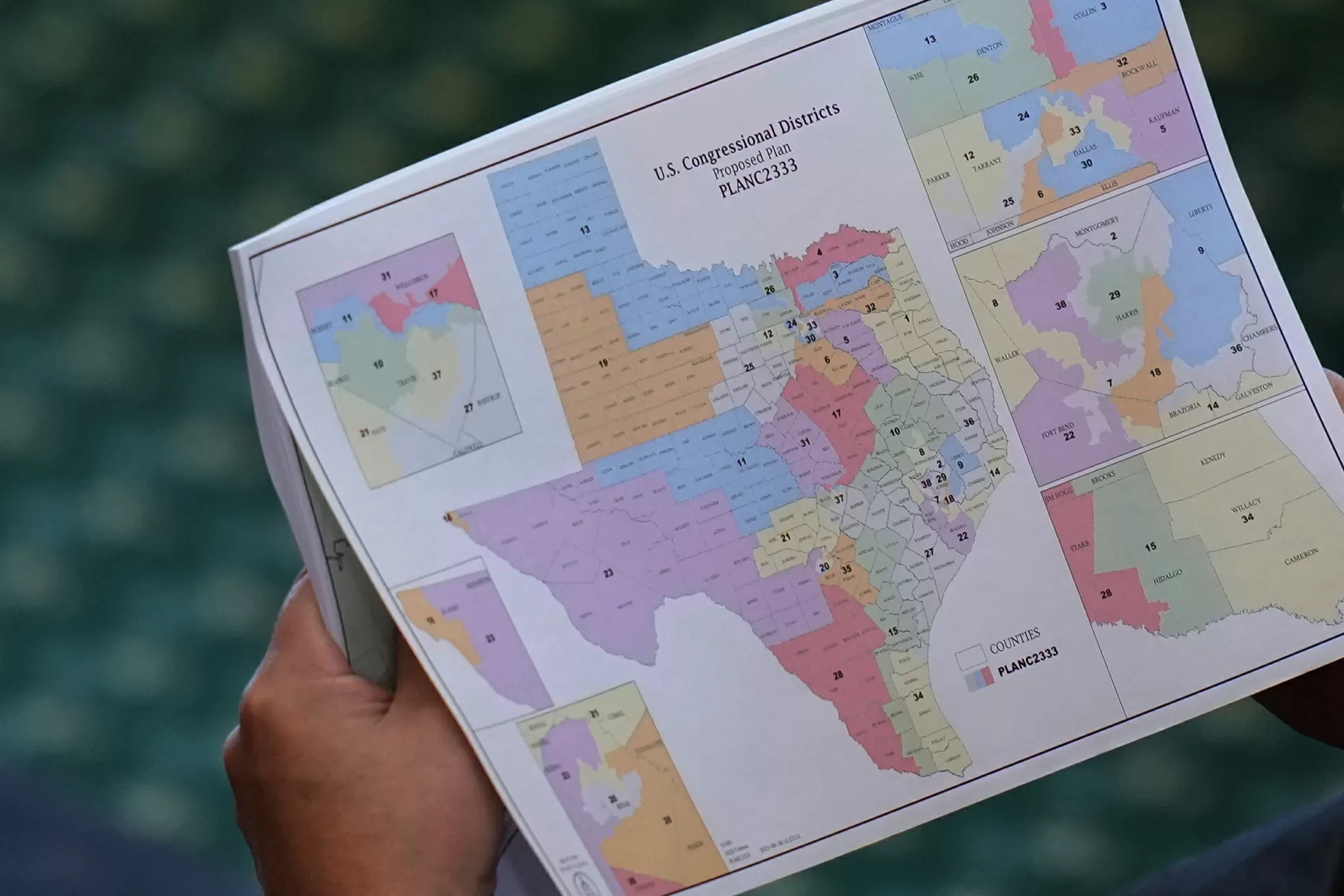
In recent years, several American states have been considering the possibility of changing their borders. This may seem like a drastic and unprecedented move, but it is not as uncommon as one might think. Throughout history, borders have been redrawn for various reasons, such as political, economic, and social factors. And now, some states in the United States are also exploring the idea of changing their borders to better suit their needs and goals.
One of the main reasons for this potential change is the growing disparity between different regions within a state. As states continue to grow and evolve, certain areas may become more populous and prosperous while others may struggle. This can lead to a divide between urban and rural areas, with each having different needs and priorities. By changing borders, states can potentially address these disparities and better serve their citizens.
For example, in California, there have been discussions about splitting the state into three separate entities: Northern California, Southern California, and California. This proposal aims to address the vast differences between the northern and southern regions of the state, both economically and culturally. By dividing the state, each region can focus on its specific needs and priorities, potentially leading to more efficient and effective governance.
Similarly, in New York, there have been talks about separating New York City from the rest of the state. The city is a major economic and cultural hub, but it also has vastly different needs and priorities compared to the rural areas of upstate New York. By creating a separate state for New York City, both regions can have more autonomy and better address their unique challenges.
Another factor driving the discussion of changing borders is political division. In some states, there is a stark contrast between the political ideologies of different regions. This can lead to a lack of representation and a sense of disenfranchisement for certain areas. By changing borders, states can potentially create more balanced political representation and give a voice to all their citizens.
In addition to addressing disparities and political division, changing borders can also have economic benefits. Some states may be struggling financially, while others may have a surplus of resources. By redrawing borders, states can potentially merge with or separate from other states to better utilize their resources and improve their economies.
However, the idea of changing borders is not without its challenges and controversies. It can be a complex and lengthy process, involving legal, political, and logistical considerations. There may also be resistance from those who fear losing their identity or resources in the process. Therefore, any decision to change borders must be carefully considered and thoroughly discussed with all stakeholders involved.
Despite the challenges, the potential benefits of changing borders cannot be ignored. It is a bold and innovative approach to addressing the changing needs and dynamics of states. It also reflects the evolving nature of our society and the need to adapt to new circumstances. As long as the process is carried out with transparency and inclusivity, it can lead to positive outcomes for all involved.
Moreover, changing borders is not a new concept in the United States. Throughout history, states have been added, divided, and merged to better reflect the changing needs and demographics of the country. For example, West Virginia was created during the Civil War when it split from Virginia due to political and economic differences. This shows that changing borders is not a radical idea, but rather a natural progression in the evolution of states.
In conclusion, the discussion of changing borders in several American states is a reflection of the changing needs and dynamics of our society. It is a bold and innovative approach to addressing disparities, political division, and economic challenges. While it may face challenges and controversies, it is a necessary step towards creating more efficient and effective governance for the benefit of all citizens. As long as the process is carried out with transparency and inclusivity, it can lead to positive outcomes and pave the way for a better future for these states.

