
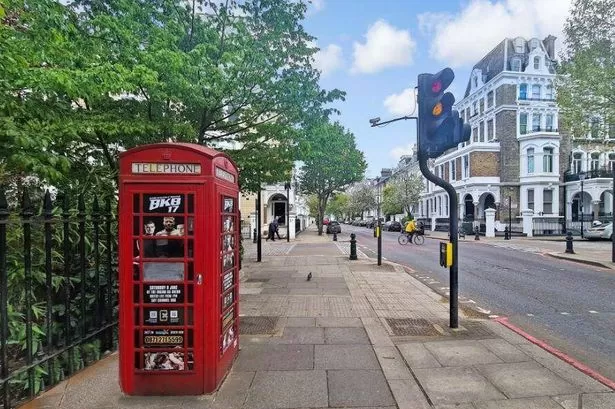
There are only 3,000 of the classic red phone boxes left in the UK, and they are a true symbol of British heritage and history. These iconic structures have stood the test of time and have become a beloved part of our landscape. However, with the rise of modern technology and the decline in the use of payphones, these phone boxes are slowly disappearing from our streets. It is a sad reality, but one that we must acknowledge and take action to preserve these cultural icons.
The classic red phone box, also known as the K6 model, was designed by Sir Giles Gilbert Scott in 1935 to commemorate the Silver Jubilee of King George V. It quickly became a familiar sight on the streets of Britain, with over 60,000 of them being installed across the country. These phone boxes were not just a means of communication, but they also served as a symbol of British identity and pride.
However, with the advent of mobile phones and the decline in the use of payphones, the fate of these iconic structures was uncertain. Many of them were removed or repurposed, and today, there are only 3,000 of them left in the UK. This may seem like a small number, but these remaining phone boxes hold a significant value and must be protected.
The classic red phone boxes are not just a part of our history, but they also hold sentimental value for many people. They are a reminder of simpler times, when people would gather around them to make calls or leave messages for loved ones. They have also been featured in countless movies, TV shows, and books, making them a recognizable symbol of British culture around the world.
Moreover, these phone boxes are also a testament to the craftsmanship and design of the past. The K6 model, with its iconic red color and crown emblem, is a perfect blend of functionality and aesthetics. It is a symbol of the British ingenuity and attention to detail that has stood the test of time.
It is heartening to see that efforts are being made to preserve these classic red phone boxes. Many have been repurposed into mini-libraries, art installations, and even coffee shops. These creative initiatives not only give a new lease of life to these structures but also bring communities together and promote a sense of pride in our heritage.
However, more needs to be done to protect these cultural icons. The remaining 3,000 phone boxes are scattered across the country, and many of them are in a state of disrepair. It is crucial that we take action to maintain and restore these structures before they are lost forever.
One way to do this is by promoting the use of these phone boxes. While mobile phones have become the primary means of communication, there are still instances where a payphone may be the only option. Tourists, for example, may not have access to a local sim card, and in emergencies, a payphone can be a lifeline. By encouraging the use of these phone boxes, we can ensure their survival and also support the local communities where they are located.
Another way to preserve these phone boxes is by designating them as listed buildings. This would give them legal protection and ensure that they are not demolished or altered without proper authorization. It would also make it easier to secure funding for their maintenance and restoration.
In addition, we can also support organizations and initiatives that are dedicated to preserving these cultural icons. The Friends of the Red Phone Box, for example, is a group that works towards protecting and promoting the use of these phone boxes. By donating or volunteering with such organizations, we can contribute to the preservation of our heritage.
In conclusion, the classic red phone boxes are more than just a means of communication; they are a symbol of British identity and pride. With only 3,000 of them left in the UK, it is our responsibility to protect and preserve these cultural icons for future generations. Let us celebrate and cherish these structures, and ensure that they continue to stand tall on our streets, reminding us of our rich history and heritage.

