
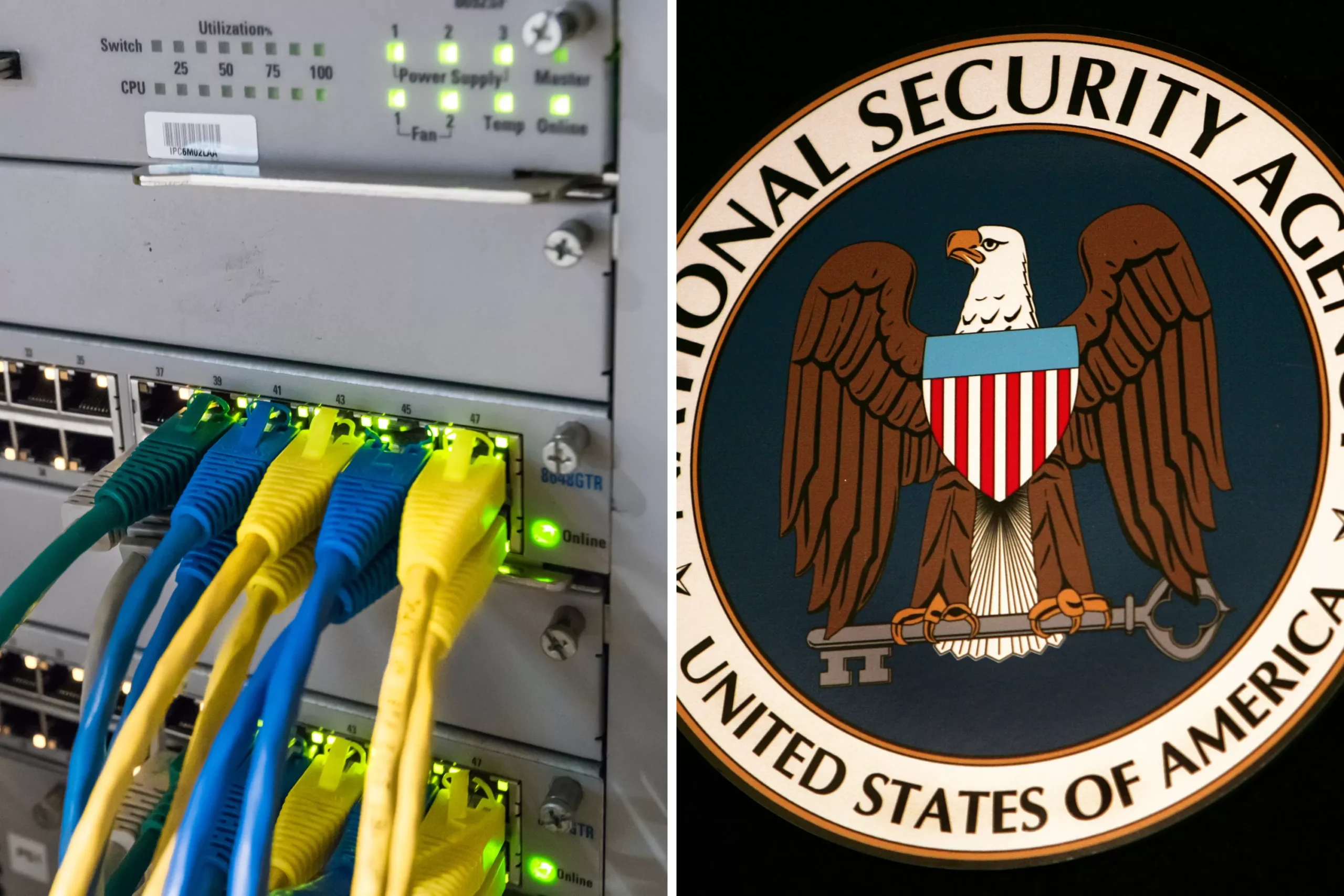
The National Security Agency (NSA) has recently issued a warning to all homeowners about the potential risks of their home networks. According to the NSA, malicious actors may exploit vulnerabilities in home networks to gain access to personal, private, and confidential information. This warning serves as a wake-up call for all of us to take the necessary steps to secure our home networks and protect our sensitive data.
In today’s digital age, our homes are becoming increasingly connected. From smart TVs and thermostats to security cameras and voice assistants, we rely on our home networks to power and control these devices. However, with this convenience comes the risk of cyber attacks. Malicious actors are constantly looking for ways to exploit vulnerabilities in our home networks and gain access to our personal information.
The NSA has identified several ways in which malicious actors can leverage our home networks. One of the most common methods is through unsecured Wi-Fi networks. Many of us have a habit of leaving our Wi-Fi networks open, making it easy for anyone to connect and potentially access our devices and data. This is especially dangerous when it comes to sensitive information such as bank account details, social security numbers, and personal photos.
Another way in which malicious actors can exploit our home networks is through outdated software and devices. Many of us are guilty of ignoring software updates or using old devices that are no longer supported by security patches. This leaves our home networks vulnerable to cyber attacks, as these outdated systems are easier to hack into.
The NSA also warns about the dangers of using default passwords for our devices and routers. These passwords are often easy to guess or can be found online, making it effortless for malicious actors to gain access to our home networks. It is crucial to change default passwords and use strong, unique passwords for all our devices and routers.
So, what can we do to protect our home networks from these potential threats? The NSA recommends taking the following steps:
1. Secure your Wi-Fi network: Make sure to set a strong password for your Wi-Fi network and enable WPA2 encryption. This will make it harder for malicious actors to access your network.
2. Keep your software and devices up to date: Regularly check for software updates and install them as soon as they are available. If you have old devices that are no longer supported, consider replacing them with newer, more secure ones.
3. Change default passwords: As mentioned earlier, default passwords are easy targets for hackers. Make sure to change them to strong, unique passwords for all your devices and routers.
4. Use a firewall: A firewall acts as a barrier between your home network and the internet, blocking unauthorized access. Make sure to enable the firewall on your router and any other devices that have this feature.
5. Be cautious of suspicious emails and links: Malicious actors often use phishing emails and links to gain access to our devices and networks. Be wary of emails from unknown senders and never click on suspicious links.
By following these simple steps, we can significantly reduce the risk of our home networks being compromised. It is also essential to educate ourselves and our family members about the potential dangers of our home networks and how to stay safe online.
In conclusion, the NSA’s warning serves as a reminder that our home networks are not immune to cyber attacks. Malicious actors are constantly evolving their tactics, and it is our responsibility to stay vigilant and take the necessary precautions to protect our personal information. By securing our home networks, we can ensure that our sensitive data remains safe and out of the hands of malicious actors. Let’s take action now and make our home networks more secure.

