
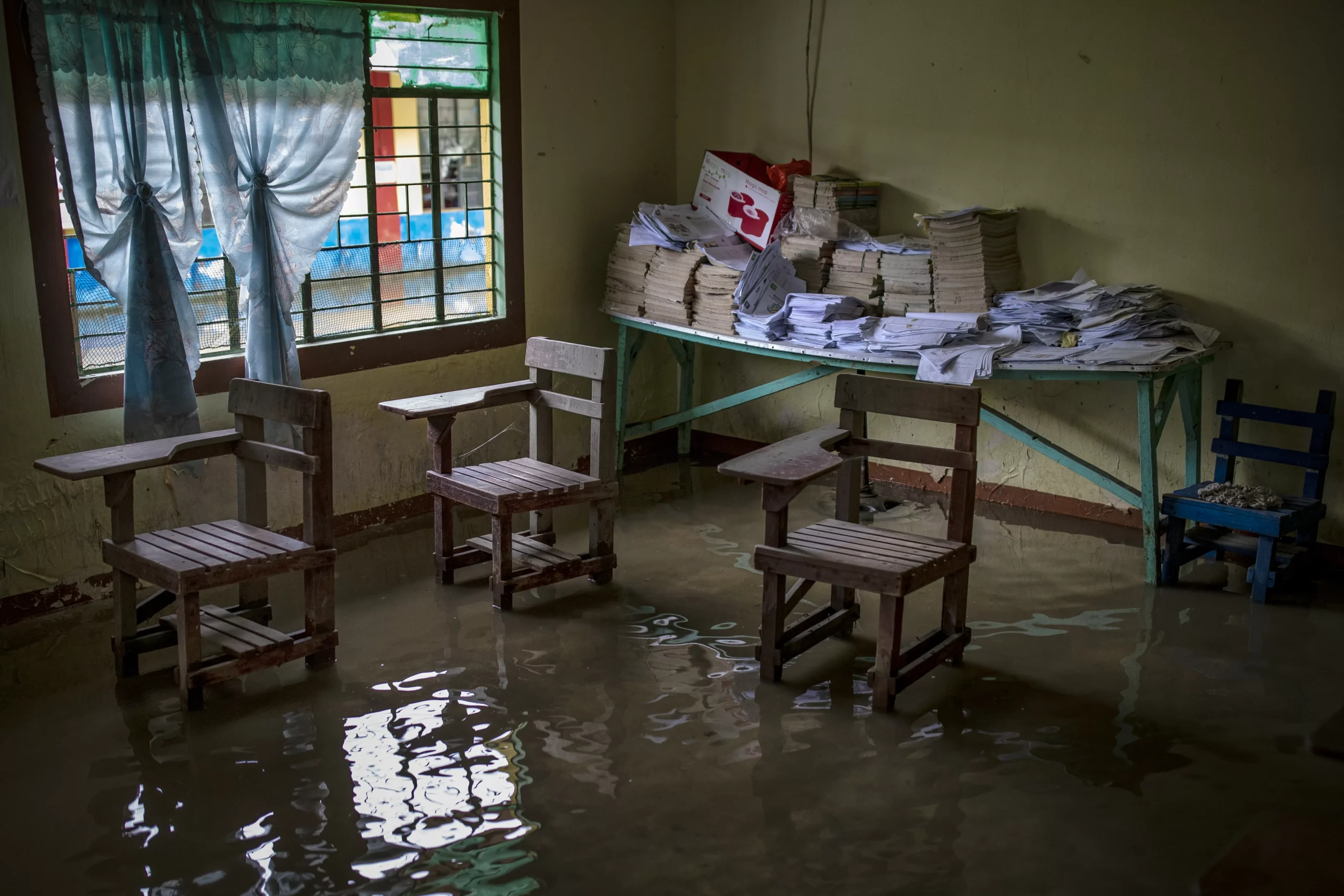
The education of a child is a fundamental aspect of their development and future success. However, there are times when circumstances beyond our control can disrupt a child’s schooling, whether it be for months or even years. Unfortunately, the consequences of such interruptions go far beyond the classroom and can have a lasting impact on a child’s life. It is crucial to recognize the significance of uninterrupted education and to work towards minimizing the negative effects of any disruptions.
Firstly, let us understand why education is so essential for a child. Education not only provides knowledge but also helps in shaping a child’s character, instilling values, and developing social and emotional skills. It equips them with the necessary tools to navigate through life and achieve their goals. It is the foundation upon which a child’s future is built.
When a child’s schooling is interrupted, the impact can be far-reaching. The most obvious consequence is the loss of academic progress. It takes time and effort for a child to catch up on missed lessons, leading to a gap in their learning. This can make it difficult for them to keep up with their peers and can result in a lack of confidence and motivation in the classroom. As the curriculum progresses, the gap becomes more significant, and the child may struggle to cope with the workload, leading to frustration and a sense of failure.
Moreover, the interruption of schooling can also affect a child’s social and emotional well-being. School is not just a place to learn, but also a place to socialize and make friends. When a child is absent from school for an extended period, they miss out on these social interactions, which are crucial for their development. They may feel isolated and disconnected from their peers, leading to feelings of loneliness and low self-esteem.
Furthermore, prolonged interruptions in schooling can also impact a child’s physical health. Schools often provide meals and access to healthcare, which is not available to children who are not attending. This can lead to malnourishment and untreated illnesses, which can affect a child’s overall well-being and ability to learn.
The consequences of disrupted education are not limited to the individual child but can also have a significant impact on their family and community. Children who are unable to attend school often require assistance from their parents or other family members, which can result in financial strain and disrupt the family’s daily routine. This, in turn, can have a ripple effect on the community, leading to an increase in poverty and a decrease in overall productivity.
It is clear that the consequences of interrupted education are far-reaching and can have a lasting impact on a child’s life. However, there is hope. With the right support and resources, we can work towards minimizing the negative effects and helping these children catch up on their education.
One way to address this issue is by providing catch-up programs for children who have experienced interruptions in their schooling. These programs can help bridge the learning gap and provide children with the necessary support to catch up on missed lessons. They can also help in rebuilding a child’s confidence and motivation, making them feel more equipped to continue their education.
Additionally, it is essential to provide a nurturing and supportive environment for these children to thrive in. This can be achieved through mentorship programs, where older students or adults can act as mentors and provide guidance and support to those who have experienced interruptions in their education. This can help in creating a sense of belonging and aid in the social and emotional development of these children.
Furthermore, it is crucial to address the root causes of interruptions in education. Whether it be conflict, poverty, or natural disasters, efforts must be made to address these issues and create a safe and stable environment for children to continue their education uninterrupted. Governments, NGOs, and community organizations must work together to find sustainable solutions to these challenges.
In conclusion, the consequences of interrupted education go far beyond the classroom. It is a pressing issue that requires urgent attention and action. We must recognize the importance of uninterrupted education and strive towards minimizing the negative effects of any disruptions. Every child has the right to education, and it is our responsibility to ensure that they have access to it. Let us work together towards building a better future for these children, where their education is not interrupted, and their potential is not limited.

