
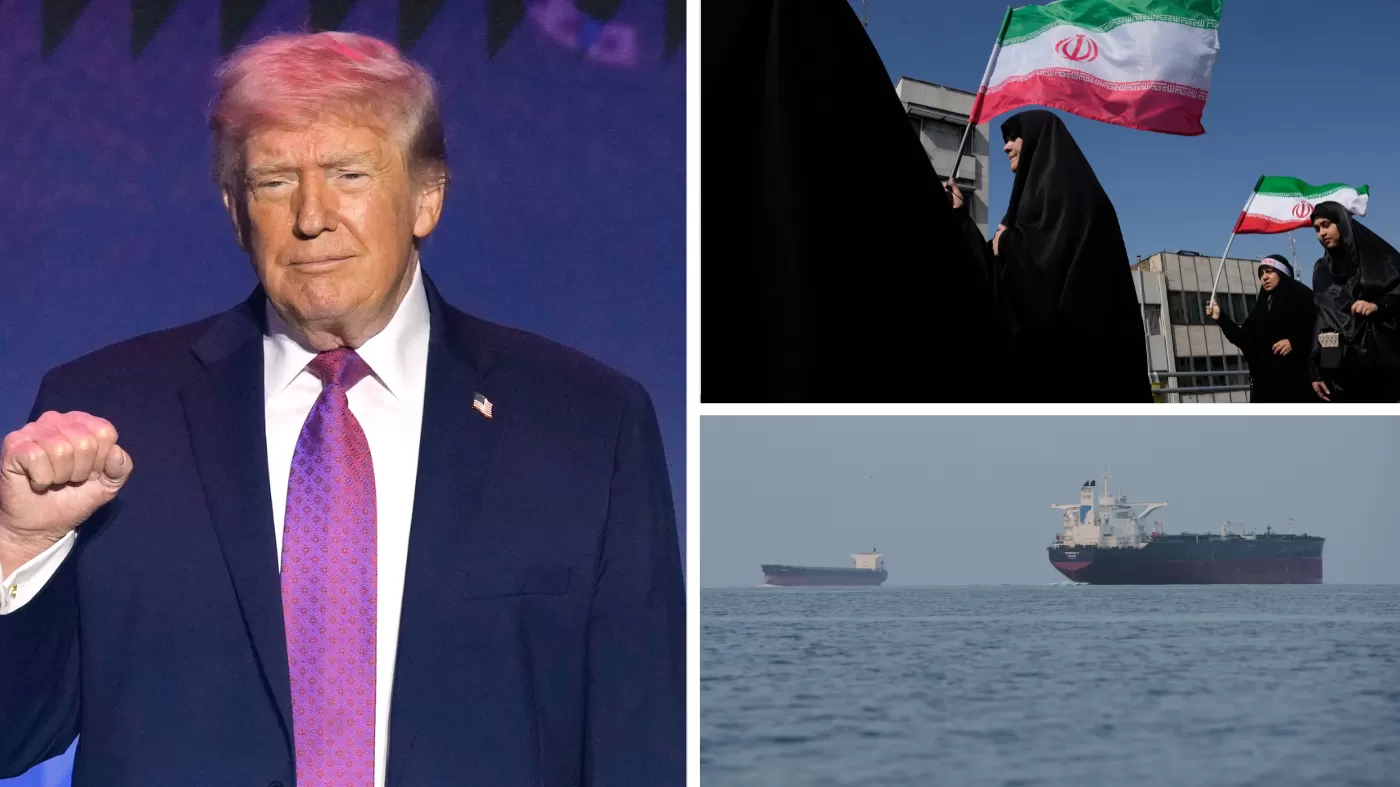
President Trump and Iranian officials have been engaged in a heated dispute over control of the Strait of Hormuz, a critical path of transit for much of the world’s oil and gas. The tension escalated when President Trump deployed a U.S. blockade in the strait, causing widespread concern and disruption in the global energy market. However, after intense negotiations and diplomatic efforts, the strait was reopened on Friday morning, bringing a sigh of relief to the international community.
The Strait of Hormuz, located between Iran and Oman, is a narrow waterway that connects the Persian Gulf with the Gulf of Oman and the Arabian Sea. It is a vital route for the transportation of oil and gas, with an estimated 20% of the world’s oil passing through it. Any disruption in this region can have a significant impact on the global economy, making it a strategic location for both Iran and the United States.
The recent tensions between the two nations began when President Trump withdrew from the 2015 Iran nuclear deal and imposed severe economic sanctions on the country. In response, Iran threatened to close the Strait of Hormuz, which would have severe consequences for the global energy market. The situation further escalated when the United States deployed a naval strike group and B-52 bombers to the region, citing intelligence reports of potential attacks by Iran.
Amidst this tense atmosphere, President Trump took the bold step of deploying a U.S. blockade in the strait, causing widespread concern and criticism from the international community. However, the president stood firm on his decision, stating that it was necessary to protect the interests of the United States and its allies.
In response, Iranian officials condemned the blockade, calling it a violation of international law and an act of aggression. They also warned of severe consequences if the blockade was not lifted. The situation seemed to be at a stalemate, with both sides refusing to back down.
However, in a surprising turn of events, Israel and Lebanon called for a 10-day ceasefire, in compliance with Iran’s request. This move was seen as a significant step towards de-escalation of tensions in the region. It also provided an opportunity for diplomatic efforts to resume, with the aim of finding a peaceful resolution to the dispute.
After intense negotiations, the United States and Iran reached an agreement, and the blockade was lifted on Friday morning. The strait was reopened, and the flow of oil and gas resumed, bringing a sense of relief to the global energy market. This development was welcomed by the international community, with many expressing their hope for a peaceful resolution to the ongoing tensions between the two nations.
The reopening of the Strait of Hormuz is a significant victory for diplomacy and a testament to the power of dialogue and negotiation. It also highlights the importance of international cooperation in resolving conflicts and maintaining peace and stability in the world.
President Trump’s decision to deploy a U.S. blockade in the strait may have been met with criticism, but it ultimately served as a catalyst for diplomatic efforts to resume. His bold and decisive actions have shown that he is willing to take necessary steps to protect the interests of the United States and its allies. It also sends a strong message to Iran that the United States will not hesitate to take action if its interests are threatened.
As the situation in the Strait of Hormuz continues to evolve, it is crucial for both the United States and Iran to maintain open lines of communication and continue to engage in constructive dialogue. The recent developments have shown that peaceful resolutions are possible, and it is in the best interest of both nations to work towards a lasting solution.
In conclusion, the reopening of the Strait of Hormuz is a significant step towards de-escalation of tensions between the United States and Iran. It is a victory for diplomacy and a reminder that dialogue and cooperation are essential in resolving conflicts. As the world watches with bated breath, let us hope that this positive development will pave the way for a peaceful and stable future in the region.

