
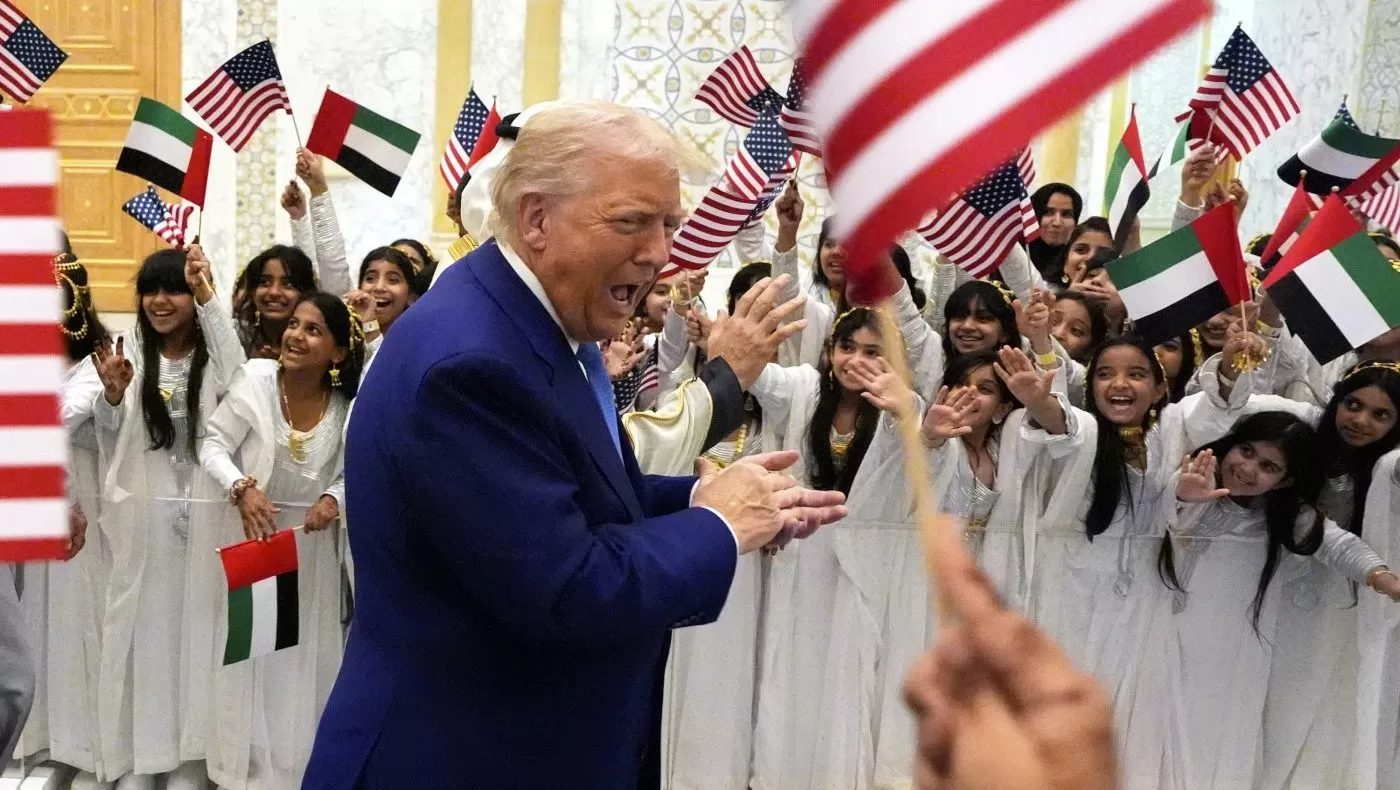
President Trump has recently announced that the United States is considering a currency swap with the United Arab Emirates (UAE) amid the ongoing tensions with Iran. In an interview with CNBC, Trump revealed that the UAE has been a target of Iranian missiles during the ongoing war and that the possibility of a currency swap is being explored.
A currency swap, also known as a currency exchange, is an agreement between two countries to exchange their respective currencies for a specific period of time. This can help both countries to manage their foreign exchange reserves and reduce the impact of currency fluctuations on their economies.
The announcement of a possible currency swap between the US and UAE is a significant development in the ongoing war with Iran. The UAE has been a strong ally of the US and has been actively supporting the US-led efforts to counter Iran’s aggression in the region. However, the recent attacks on UAE’s oil tankers and its civilian airport by Iranian-backed Houthi rebels have raised concerns about the country’s vulnerability to Iran’s threats.
The currency swap would not only strengthen the economic ties between the two countries but also send a strong message to Iran that the US stands firmly with its allies in the region. This move also reflects the trust and confidence that the US has in the UAE’s economy, which has remained resilient despite the ongoing tensions in the region.
President Trump’s statement has been welcomed by the UAE, with the country’s central bank governor, Mubarak Rashed Al Mansoori, stating that the UAE is open to exploring all possible options to strengthen its economic partnership with the US. The UAE has been a major trading partner of the US, with the two countries sharing a strong economic relationship. A currency swap would further enhance this relationship and bring mutual benefits to both countries.
The currency swap would also have a positive impact on the UAE’s economy, which has been facing challenges due to the global economic slowdown and the impact of the ongoing war. The UAE’s currency, the dirham, has been pegged to the US dollar since 1997, which has helped the country to maintain its stability and attract foreign investments. However, the recent events have caused fluctuations in the currency’s value, and a currency swap would provide a buffer against such fluctuations.
Moreover, the currency swap would also boost trade and investment between the two countries. The UAE is home to many US companies, and a currency swap would make it easier for them to do business in the region. It would also encourage more US businesses to invest in the UAE, creating job opportunities and boosting economic growth.
The UAE has been a key player in the region’s economic development and has been actively diversifying its economy to reduce its reliance on oil. The country’s strategic location and business-friendly environment have made it a hub for international trade and investment. With the UAE’s growing importance in the global economy, a currency swap with the US would further strengthen its position and open up new opportunities for growth.
In conclusion, President Trump’s announcement of a potential currency swap with the UAE is a significant step towards strengthening the economic ties between the two countries. It not only reflects the strong bond between the US and UAE but also sends a message of solidarity and support to the UAE in the face of Iran’s aggression. The currency swap would bring mutual benefits to both countries and further enhance their already strong partnership. As we navigate through these challenging times, this move highlights the importance of international cooperation and collaboration in promoting economic stability and growth.

