
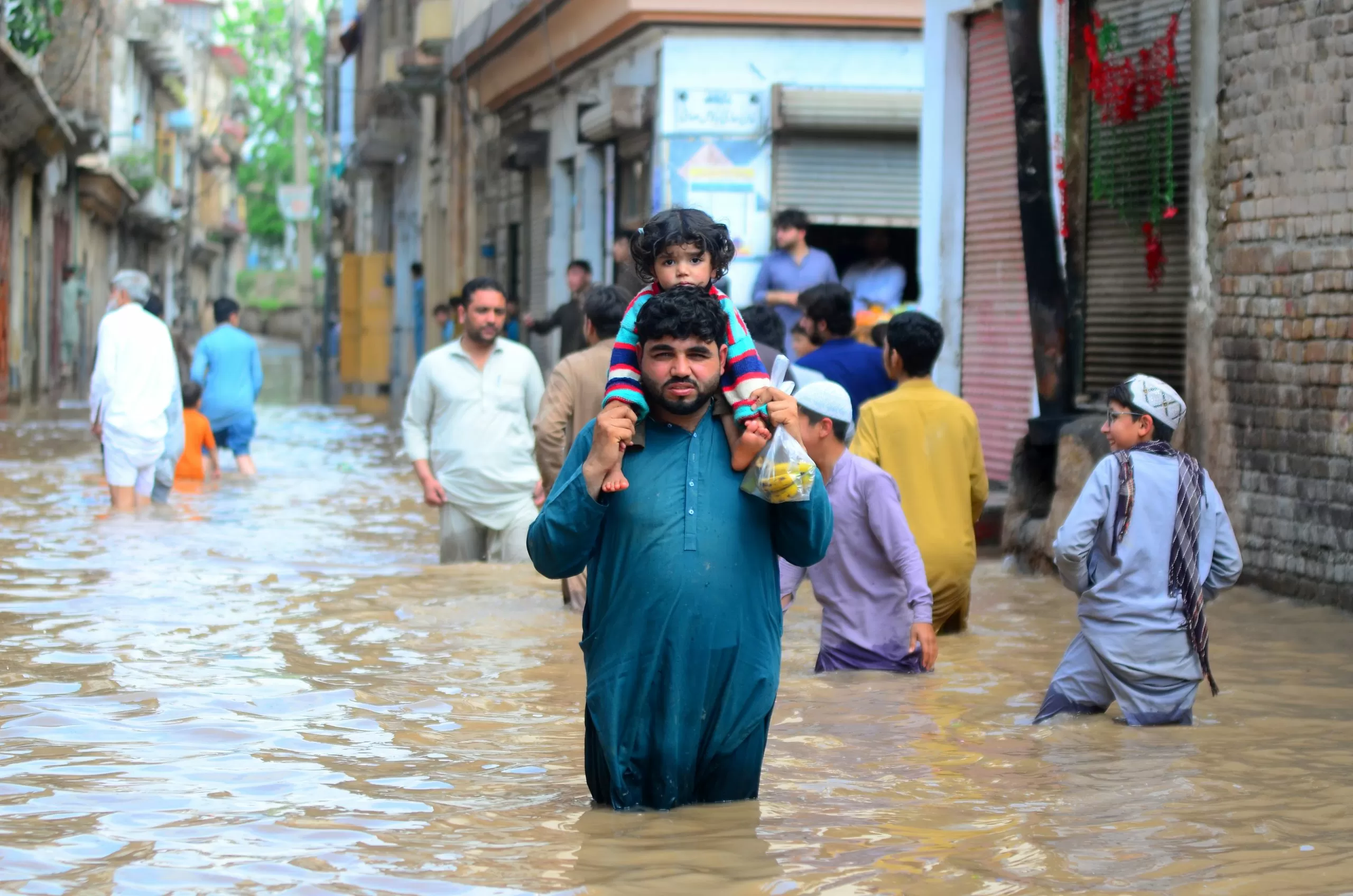
The world is facing a crisis that is often overlooked and underestimated – climate migration. According to a recent report by the Internal Displacement Monitoring Centre (IDMC), natural disasters have driven people out of their homes more than twice as often as war and other conflicts. This alarming statistic highlights the urgent need for action to address the growing issue of climate migration.
The IDMC report revealed that in 2019, a staggering 24.9 million people were displaced due to natural disasters such as floods, storms, and wildfires. This number is more than double the 9.8 million people who were displaced by conflict and violence in the same year. These numbers are expected to increase as the effects of climate change become more severe.
The era of climate migration is already here, and we are just starting to realize it. For years, we have seen the devastating impact of natural disasters on communities around the world. From hurricanes in the Caribbean to wildfires in Australia, these disasters have forced people to leave their homes and seek refuge elsewhere. However, it is only in recent years that we have begun to understand the link between these disasters and climate change.
Climate change is causing more frequent and intense natural disasters, making it increasingly difficult for people to stay in their homes. Rising sea levels, extreme weather events, and droughts are all consequences of climate change that are forcing people to migrate. These environmental factors not only destroy homes and livelihoods but also make it difficult for people to survive in their current locations.
The effects of climate migration are not limited to developing countries. In fact, developed countries like the United States and Australia are also experiencing the impact of climate change on migration. In 2018, the Camp Fire in California displaced over 50,000 people, making it the deadliest and most destructive wildfire in the state’s history. Similarly, the ongoing drought in Australia has forced many farmers to leave their land and move to cities in search of work.
The consequences of climate migration are far-reaching and have a significant impact on individuals, communities, and countries. Displaced people face numerous challenges, including loss of homes, livelihoods, and social networks. They also face discrimination and stigmatization in their new communities, making it difficult for them to rebuild their lives.
Moreover, climate migration also puts a strain on the resources and infrastructure of the areas where people migrate. This can lead to conflicts and tensions between the host communities and the displaced population. As more and more people are forced to migrate due to climate change, the strain on resources will only increase, making it a global issue that requires immediate attention.
It is clear that the era of climate migration is upon us, and we must take action to address it. Governments, international organizations, and individuals all have a role to play in mitigating the effects of climate change and supporting those who are forced to migrate. This includes investing in disaster risk reduction, providing assistance and protection to displaced people, and promoting sustainable development practices.
Individuals can also make a difference by reducing their carbon footprint and advocating for climate action. Small changes in our daily lives, such as using public transportation, reducing energy consumption, and supporting sustainable businesses, can have a significant impact on reducing greenhouse gas emissions.
The good news is that there is still time to act and prevent the worst consequences of climate migration. The Paris Agreement, signed by 189 countries, aims to limit global warming to well below 2 degrees Celsius. If we all work together and take immediate action, we can slow down the effects of climate change and reduce the number of people forced to migrate.
In conclusion, the era of climate migration is already here, and we must take action to address it. The statistics are alarming, and the consequences are far-reaching, but it is not too late to make a difference. Let us come together and work towards a sustainable future for all, where people are not forced to leave their homes due to the effects of climate change. The time to act is now, and we must act together.

