AI Detects Heart Disease in Women via Mammograms
Revolutionary study reveals AI can identify heart disease, hypertension, and stroke risk in women through routine mammogram screening analysis.
Breakthrough in Dual-Purpose Screening Technology
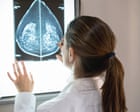
A groundbreaking discovery demonstrates that AI can detect heart disease in women by analyzing routine mammogram images intended for breast cancer screening. This innovative approach represents a significant advancement in medical diagnostics, offering the potential to identify cardiovascular conditions during standard cancer prevention procedures.
The research reveals that mammograms, already a cornerstone of women's preventive healthcare, could serve a dual purpose by simultaneously detecting cardiovascular abnormalities. Since heart disease remains the leading cause of mortality in women globally, yet frequently goes undiagnosed until a critical event occurs, this integrated screening method could transform early detection protocols and save countless lives.
How Artificial Intelligence Identifies Cardiovascular Risk
Researchers developed sophisticated machine learning algorithms to analyze mammogram images with remarkable precision. The AI technology successfully identified women at risk for coronary heart disease, enabling earlier intervention and treatment initiation. Beyond coronary conditions, the system demonstrated capability in detecting other serious cardiovascular markers that conventional screening might overlook.
The artificial intelligence system processes visual data from mammogram scans to recognize subtle indicators associated with cardiovascular disease. These indicators, invisible to the human eye in standard breast cancer screening, become apparent when analyzed through advanced computational frameworks. The technology examines arterial calcification patterns, tissue density variations, and other physiological markers that correlate with heart disease risk.
Expanding Detection Beyond Coronary Heart Disease
The study's scope extends beyond simple coronary artery disease identification. Researchers successfully used AI to detect heart disease indicators including hypertension markers and evidence of previous stroke events. This comprehensive approach means a single mammogram could potentially screen for multiple life-threatening cardiovascular conditions simultaneously.
Women with elevated blood pressure often remain asymptomatic until severe complications develop. By integrating hypertension detection into routine mammograms, clinicians could identify at-risk patients earlier and implement preventive measures. Similarly, subtle evidence of prior cerebrovascular events could be flagged, prompting additional neurological evaluation and stroke prevention strategies.
Clinical Implications for Women's Healthcare
The implications of AI detect heart disease capabilities through mammography extend far beyond individual patients. Healthcare systems could implement this technology with minimal infrastructure changes, since mammography facilities already exist nationwide. Integrating supplementary AI analysis requires no additional patient visits or procedures, making implementation highly efficient.
For women already undergoing routine breast cancer screening, this dual-purpose approach eliminates the need for separate cardiovascular assessments in many cases. The integration streamlines healthcare delivery while improving diagnostic accuracy and reducing overall screening costs. Most importantly, early identification of cardiovascular conditions enables preventive interventions before serious events occur.
Addressing the Gender Gap in Heart Disease Diagnosis
Women face unique challenges in cardiovascular disease recognition and treatment. Symptoms often present differently than in men, leading to delayed diagnosis and worse outcomes. Medical professionals frequently underestimate cardiovascular risk in female patients, sometimes attributing cardiac symptoms to anxiety or other non-cardiac causes.
This AI technology addresses these disparities by providing objective, standardized analysis independent of physician bias. The algorithm treats every mammogram consistently, ensuring that no woman's cardiovascular risk goes undetected due to subjective clinical judgment. This objective approach particularly benefits women whose symptoms or risk profiles don't conform to traditional male-centered diagnostic criteria.
Validation and Future Research Directions
The research team validated their findings through rigorous statistical analysis, confirming that AI-identified cardiovascular markers correlated with established diagnostic criteria and clinical outcomes. Multiple validation cohorts demonstrated consistent performance, strengthening confidence in the methodology's reliability.
Future research directions include expanding the AI algorithm's training datasets to encompass diverse demographic populations, ensuring equitable performance across different ethnic and socioeconomic groups. Researchers also plan to investigate whether mammogram-based cardiovascular screening can predict future cardiac events, potentially enabling even more targeted preventive interventions.
Implementation Challenges and Opportunities
Translating research findings into clinical practice requires addressing regulatory approval, standardized protocols, and radiologist training. Regulatory bodies must establish guidelines for integrating AI cardiovascular analysis into mammography workflows. Healthcare facilities need clear procedures for communicating AI-detected cardiovascular findings to patients and primary care physicians.
Despite these implementation hurdles, the opportunity is substantial. Millions of women undergo annual mammograms worldwide, creating an enormous population through which cardiovascular screening could occur. This represents an unprecedented opportunity to identify heart disease in women at scale, potentially preventing hundreds of thousands of premature deaths annually.
Transforming Preventive Medicine
This breakthrough exemplifies how artificial intelligence enhances medical diagnostics by extracting valuable information from existing procedures. Rather than requiring new tests or technologies, AI maximizes utility from established healthcare practices. As technology advances, similar dual-purpose screening approaches may revolutionize preventive medicine across multiple disease categories.
The convergence of artificial intelligence capabilities with routine medical imaging creates possibilities for comprehensive, efficient health screening. Women could benefit from simultaneous assessment of their two leading health threats—breast cancer and heart disease—during a single procedure. This integrated approach represents the future of personalized, preventive healthcare.