Toy Story 5 Divides Critics While Praising Tech Message
Toy Story 5 generates mixed reviews from critics, yet many highlight its powerful cautionary message about technology and digital culture.
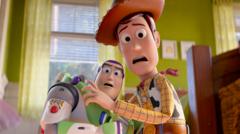
Toy Story 5 Critics Deliver Mixed Verdicts on Latest Pixar Installment
Toy Story 5 critics have shared diverse perspectives on the latest chapter of the beloved animated franchise, with opinions spanning from enthusiastic endorsements to measured reservations. Despite the varied reception, a significant portion of reviewers emphasize the film's distinctive approach to contemporary issues, particularly its thought-provoking stance on technology and digital influence in modern society. The fifth installment brings back iconic voice actors Tom Hanks, Tim Allen, and Joan Cusack, reprising their legendary roles that have defined the franchise for nearly three decades.
The Return of Beloved Characters
The continuation of Toy Story 5 maintains the franchise's commitment to character consistency and emotional authenticity. Tom Hanks returns as Woody, the steadfast cowboy whose wisdom guides the narrative, while Tim Allen reprises his role as Buzz Lightyear, the space ranger whose comedic timing remains as sharp as ever. Joan Cusack brings her distinctive voice to Jessie, the spirited cowgirl whose character development has been central to recent installments. This casting decision ensures continuity while allowing the story to explore new thematic territory.
Cautionary Message About Technology
Toy Story 5 critics particularly emphasize the film's cautionary narrative regarding technological advancement and its impact on childhood imagination. Rather than presenting a simple morality tale, the screenplay weaves sophisticated commentary about digital culture into the central plot. The film examines how technology reshapes play, connection, and the fundamental nature of childhood experiences that have anchored the franchise's appeal since its inception.
The narrative doesn't present technology as inherently villainous; instead, Toy Story 5 explores the nuanced relationship between innovation and traditional values. Critics appreciate this balanced approach, noting that it reflects genuine societal anxieties without resorting to heavy-handed didacticism. The thematic exploration resonates particularly with parents viewing the film, who recognize parallels to their own concerns about screen time and digital dependence.
Critical Reception Overview
Major film critics have provided thoughtful analysis of the movie's achievements and limitations. While some reviewers praise the storytelling complexity and emotional depth, others suggest certain narrative elements lack the originality expected from a fifth installment. The technical animation receives universal acclaim, with particular recognition for how Pixar captures subtle details in both digital environments and traditional toy aesthetics.
Audience demographics appear to influence critical perception, with younger viewers gravitating toward action sequences and humor, while older audiences connect more deeply with the nostalgic elements and reflective moments. This generational difference in appreciation has become a recurring theme in Toy Story 5 critics' discussions across various review platforms.
Animation and Visual Achievement
The technical execution of Toy Story 5 demonstrates Pixar's continued mastery of computer animation. The filmmakers employ visual metaphors to reinforce the technology-centered themes, with digital spaces contrasting sharply against the tangible toy world. This visual distinction helps audiences understand the thematic tensions the narrative explores, creating a cohesive artistic vision that extends beyond dialogue and plot.
Broader Franchise Implications
As the franchise enters its fifth chapter, Toy Story 5 critics grapple with questions about continuity, character arc completion, and creative sustainability. Some reviewers suggest the film successfully reinvigorates the series with fresh perspectives, while others wonder if the concept has exhausted its narrative possibilities. The cautionary message about technology provides new thematic ground, potentially positioning the franchise for future exploration of contemporary issues.
The return of principal voice actors Tom Hanks, Tim Allen, and Joan Cusack demonstrates Pixar's investment in maintaining the franchise's emotional core, even as it ventures into modern cultural commentary. This balance between franchise familiarity and thematic innovation emerges as central to understanding why Toy Story 5 has generated such mixed but thoughtful critical responses.


