Artificial Ice Pyramids: India's Mountain Villages Combat Water Scarcity
Discover how Himalayan villages use artificial ice pyramids to secure spring water for crops. Innovative glacier technology battles climate change impact.
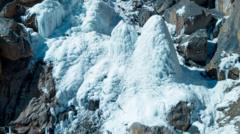
Innovative Water Solutions in the Himalayan Region
Artificial ice pyramids represent a groundbreaking approach that mountain communities across India's Himalayan region have embraced to address critical water shortages during growing seasons. These engineered structures function as alternative water sources when natural glacier melt becomes unpredictable due to changing climate patterns. The artificial ice pyramids initiative demonstrates how traditional agricultural knowledge can merge with contemporary engineering principles.
As global temperatures continue to fluctuate, Himalayan villages face an unprecedented challenge in maintaining consistent water supplies for their farming operations. The development of artificial ice pyramids offers a tangible solution that local farmers have implemented with remarkable success across multiple high-altitude communities.
How Artificial Ice Pyramids Function
The artificial ice pyramids work through a carefully engineered process that captures and preserves water during winter months. Technicians construct these cone-shaped structures using a controlled freezing mechanism that converts flowing water into solid ice reserves. When spring temperatures rise, the stored ice gradually melts, releasing water precisely when agricultural crops require maximum irrigation.
These structures typically stand several meters tall and require minimal maintenance once established. The design promotes slow melting rates, ensuring that water supply remains steady throughout the critical planting and growing season rather than occurring in sudden, uncontrollable floods.
The Climate Change Connection
Mountain villages throughout the Himalayan range have observed significant changes in traditional glacier behavior over the past two decades. Earlier spring melts and reduced overall ice volume threaten the water security that farmers have relied upon for generations. Artificial ice pyramids bridge the gap created by these environmental shifts, providing a backup system when natural precipitation and glacial melt prove insufficient.
Climate scientists tracking these changes have noted that communities embracing artificial ice pyramid technology demonstrate greater resilience against prolonged dry spells. The innovation essentially creates a distributed water storage network across mountainous terrain.
Community Implementation and Agricultural Impact
Several Himalayan villages have successfully deployed artificial ice pyramid systems across their territories, resulting in improved crop yields and reduced agricultural stress. Farmers report that consistent water availability throughout spring significantly enhances their planting schedules and reduces crop losses.
The implementation process involves community cooperation and local knowledge. Village engineers and traditional water management experts collaborate to identify optimal locations for pyramid construction, considering elevation, water flow patterns, and terrain characteristics. This participatory approach ensures that artificial ice pyramids blend seamlessly with existing agricultural infrastructure.
Local economies have experienced positive effects as improved irrigation security encourages farmers to diversify their crop selections and invest in agricultural improvements. Community members gain employment through the construction and maintenance of these water storage systems.
Technical Specifications and Maintenance
Constructing effective artificial ice pyramids requires understanding local hydrology and freeze-thaw cycles specific to each mountain location. Engineers assess water flow rates, temperature patterns, and seasonal variations before designing individual systems. The ice pyramids typically achieve maximum storage capacity during late winter, storing hundreds of cubic meters of frozen water.
Regular monitoring ensures that the structures maintain integrity throughout seasonal transitions. Maintenance teams inspect surfaces for cracks or damage that might compromise water retention or safety. Most systems prove remarkably durable, requiring only occasional repairs across multiple years of operation.
Broader Implications for Mountain Communities
The success of artificial ice pyramids across Himalayan villages demonstrates that localized, context-specific solutions can effectively address large-scale environmental challenges. Rather than waiting for global climate interventions, mountain communities are proactively securing their agricultural futures through innovation.
This approach has attracted international attention from development organizations and environmental groups studying climate adaptation strategies. Researchers view artificial ice pyramid technology as a scalable model potentially applicable to mountain regions worldwide facing similar water scarcity pressures.
The initiative also reinforces the importance of indigenous knowledge in developing sustainable solutions. Local understanding of water cycles, seasonal patterns, and terrain characteristics proved essential for creating successful artificial ice pyramid systems that actually work within real-world mountain environments.
Future Prospects and Expansion
As additional Himalayan villages witness the benefits of artificial ice pyramids in neighboring communities, interest in expansion continues growing. Development agencies are exploring funding mechanisms to support widespread implementation across vulnerable mountain regions. The scalability and relatively low cost of artificial ice pyramid construction make it particularly attractive for resource-limited communities.
Artificial ice pyramids represent more than just an irrigation solution; they embody the resilience and adaptive capacity of mountain communities facing unprecedented environmental pressures. By transforming seasonal water patterns into manageable, predictable resources, these structures ensure that Himalayan agriculture can continue sustaining both families and regional food security despite changing climate conditions.


