BoE's Cautious Rate Hike May Prolong High Interest Rates
Niesr warns Bank of England's hesitant inflation response could keep rates elevated longer. Timid rate rise risks persistent inflation above 2% target through 2...
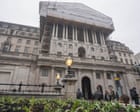
Bank of England's Cautious Approach to Inflation Draws Expert Criticism
The Bank of England interest rates strategy has come under intense scrutiny from leading economic analysts who warn that recent policy decisions may create a prolonged period of elevated borrowing costs for UK households and businesses. The National Institute of Economic and Social Research (Niesr), a respected independent thinktank, has issued a critical assessment suggesting that the central bank's measured approach to combating inflationary pressures could ultimately extend the timeline for achieving price stability.
Niesr's Analysis of Recent Rate Decisions
According to the influential economic research organization, the Bank of England interest rates adjustment announced last week represents an insufficiently aggressive response to mounting inflationary challenges. Rather than implementing the decisive action that economists argue the current economic climate demands, policymakers at Threadneedle Street opted for a more conservative approach that Niesr experts characterize as timid and potentially counterproductive.
The thinktank's research indicates that this cautious stance toward monetary policy could result in inflation remaining stubbornly above the Bank's 2% target well into 2030. Such a prolonged period of above-target inflation would represent a significant deviation from historical precedent and could create considerable challenges for household budgets and business planning across the UK economy.
Long-Term Implications for Interest Rates
One of the most concerning aspects of Niesr's findings relates to the compound effect of delayed policy action. When central banks move too slowly in response to inflationary pressures, they often must implement sharper rate increases later to restore price stability. This dynamic suggests that the Bank of England interest rates may ultimately reach higher peak levels than would have been necessary with more proactive early intervention.
The institutional wisdom among monetary policy experts is that early, measured responses to inflation typically prevent the need for more dramatic and economically disruptive measures later. By contrast, hesitant initial actions can force policymakers into a position where they must implement steeper increases in borrowing costs to catch up with accumulated inflationary pressures.
Economic Context and Market Reactions
The Bank of England interest rates decision arrived amid broader economic uncertainty, with mixed signals from labor markets, consumer spending patterns, and international trade dynamics. The cautious approach reflects institutional debate within the central bank regarding the appropriate pace and magnitude of policy tightening required to address current conditions.
Niesr's critique extends beyond simple retrospective analysis. The thinktank has constructed detailed economic models projecting forward several years, incorporating various scenarios for how inflation might evolve under different policy paths. These projections consistently show that more assertive early action would have shortened the expected timeline for returning inflation to target levels.
Implications for Households and Businesses
The prospect of sustained elevated Bank of England interest rates carries significant consequences for different economic actors. Households carrying variable-rate mortgages face prolonged periods of higher monthly payments. Small and medium-sized enterprises dependent on bank credit encounter elevated borrowing costs that can constrain expansion plans and capital investment. Savers benefit from improved returns on deposits, but this gains-oriented perspective misses the broader economic drag from constrained consumption and investment.
Central Bank Communications and Policy Expectations
Experts also point to the importance of clear central bank communications in shaping economic expectations. When policymakers signal insufficient urgency in addressing inflation, market participants and households may adjust their inflation expectations upward, creating self-fulfilling prophecies where higher expected inflation becomes embedded in wage negotiations and pricing decisions.
The Bank of England interest rates messaging framework typically emphasizes gradualism and data-dependency. While these principles offer genuine benefits in terms of stability and predictability, Niesr argues they can occasionally create problems when economic conditions demand swifter adjustment.
Comparative International Perspectives
Other major central banks, including the Federal Reserve and European Central Bank, faced similar dilemmas during recent inflationary episodes. Comparing different policy responses reveals that institutions moving decisively early generally achieved better outcomes in terms of both the durability of price stability and the ultimate cost to employment and growth.
The Bank of England interest rates strategy must ultimately balance multiple objectives: controlling inflation, maintaining financial stability, supporting employment, and preserving economic growth. Niesr's analysis suggests that the current approach may sacrifice some of these objectives in pursuit of others, potentially creating longer-term complications.
Looking Forward: Policy Recalibration
The thinktank's findings suggest that Bank of England policymakers may need to reconsider their current trajectory. Rather than maintaining the gradual adjustment path currently envisioned, a more assertive stance could ultimately prove less economically disruptive by establishing credibility with price-setters and reducing the expected duration of elevated rates.
As economic data continues to arrive and inflation dynamics evolve, the central bank faces mounting pressure to demonstrate that its current policy framework remains appropriate. The debate between cautious gradualism and more decisive action will likely intensify as stakeholders grapple with the long-term implications of policy choices made today.