Can Employers Set Summer Dress Code Policies Legally
Discover what your boss can legally require for summer workplace attire. Learn about dress codes, personal rights, and styling tips to stay professional and com...
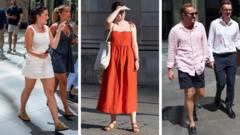
Understanding Summer Dress Code Regulations in the Workplace
A summer dress code workplace question has become increasingly common as temperatures rise and employees seek more comfortable attire options. Whether your employer can dictate what you wear during warmer months involves legal considerations, company policies, and workplace norms that vary significantly across industries and jurisdictions.
The relationship between employers and employees regarding summer dress code policies remains a complex issue. While businesses have legitimate interests in maintaining professional standards, employees also have rights regarding personal comfort and expression. Understanding where these boundaries lie is essential for navigating workplace expectations during the hottest months of the year.
Legal Framework Governing Dress Codes
Employers can establish and enforce dress codes in most circumstances, but these policies must comply with applicable employment laws. A summer dress code workplace policy cannot discriminate based on protected characteristics such as race, religion, gender, or disability. For instance, if a company prohibits certain hairstyles or religious head coverings exclusively for some employees, this violates anti-discrimination laws.
The legality of dress codes also depends on whether they serve legitimate business purposes. Courts have upheld restrictions on casual clothing when companies can demonstrate that professional appearance relates directly to client interactions or company image. However, employers must apply these standards consistently across all employees and departments.
Gender-Based Dress Code Concerns
One particularly contentious area involves gendered dress codes. Many companies have faced challenges when their summer dress code workplace policies impose different requirements for men and women. Requiring women to wear high heels, prohibiting shorts for women while allowing them for men, or mandating specific undergarments creates legal vulnerability for employers.
Practical Summer Dress Code Considerations
Beyond legal requirements, employers should consider practical implications of rigid summer dress code policies. Forcing employees to wear formal business attire during extreme heat can impact productivity, comfort, and morale. Many progressive companies have adapted their policies to acknowledge seasonal changes while maintaining professional standards.
A reasonable summer dress code workplace approach might include guidelines such as allowing knee-length shorts, breathable fabrics, sandals with closed toes, and sleeveless tops that meet professional standards. These modifications enable employees to stay cool while preserving the company's professional image.
Industry-Specific Variations
Different industries maintain varying standards regarding summer dress codes. Law firms, financial institutions, and corporate offices typically enforce stricter requirements, while creative agencies, tech companies, and startups often embrace more casual approaches. Understanding your industry's norms provides context for your employer's specific summer dress code workplace policies.
Employee Rights and Workplace Comfort
While employers possess substantial authority over workplace dress, employees retain certain fundamental rights. If a dress code creates unsafe working conditions—such as requiring formal attire that prevents adequate heat protection—employees may challenge these requirements. Furthermore, reasonable accommodations for medical conditions, religious beliefs, or disabilities must be provided regardless of standard dress codes.
Employees should also consider that overly restrictive summer dress codes may indicate broader workplace issues. Companies that prioritize employee wellbeing typically implement flexible policies that acknowledge seasonal comfort needs without compromising professionalism.
Negotiating Your Summer Wardrobe at Work
If you believe your employer's summer dress code workplace policies are unreasonable, unreasonable, or inappropriate, several strategies can facilitate productive discussions. First, research your company's official dress code policy and any recent updates addressing seasonal variations. Many organizations have documented guidelines available through HR departments.
Next, document specific concerns about the current policy and its impact on your work experience. Rather than complaining, propose concrete alternatives that balance professional standards with seasonal comfort. For example, suggest business casual alternatives for summer months or highlight how other companies in your industry address similar challenges.
Building Dialogue with Management
Approach conversations about dress code modifications constructively. Frame discussions around productivity and employee retention rather than personal preference. If multiple employees share concerns about the summer dress code workplace policy, collective representation may carry more weight than individual requests.
Best Practices for Summer Workplace Styling
Regardless of your employer's specific requirements, several styling strategies help you navigate summer dress codes successfully. Choose natural fabrics like cotton and linen that breathe better in heat. Opt for lighter colors that reflect sunlight and appear more seasonally appropriate. Layer strategically so you can adapt to varying temperatures between outdoor commutes and air-conditioned offices.
Footwear selection matters significantly during summer months. Closed-toe sandals, loafers, and breathable dress shoes provide professional appearances while accommodating warm weather. Accessories like scarves or lightweight cardigans enable quick adjustments to meet dress code requirements while maintaining personal comfort.
Moving Forward with Workplace Dress Standards
The conversation about summer dress code workplace policies continues evolving as companies recognize the importance of employee satisfaction and wellbeing. Progressive organizations are shifting toward outcome-based evaluations rather than appearance-focused requirements, particularly for remote or backend positions. This trend suggests that future workplace norms may become more flexible regarding seasonal adjustments.
Understanding your rights, your employer's legitimate interests, and available compromise options enables you to navigate summer dress codes confidently. By combining professional appearance with practical comfort strategies, you can succeed at work while staying cool during warm weather months.


