Child Safety Measures Lacking in London Flat Death Case
Inquest reveals that additional safeguards could have prevented the tragic fall of five-year-old Aalim Ahmed from a 15th-floor window in east London.
Tragic Fall Highlights Safety Concerns
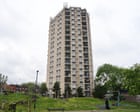
A devastating inquest has uncovered critical gaps in child safety measures at a London residential property where a five-year-old boy lost his life. Aalim Ahmed, an autistic child, fell from a 15th-floor kitchen window at a tower block in Plaistow, east London, on 16 May 2024. The family had previously requested to be relocated from the temporary social housing accommodation, but their concerns appear to have gone unaddressed before the tragedy occurred.
The inquest proceedings revealed that additional child safety measures could have been implemented to prevent the fatal incident. Aalim's father, Makail Ahmed, discovered his son's body early in the morning, having rushed from the flat moments after the child fell. This heartbreaking discovery has prompted authorities and housing officials to examine what protective measures might have averted this loss.
Residential Building Safety Standards Under Scrutiny
The case raises serious questions about current residential window safety standards in London's tower blocks. Many temporary social housing properties across the capital house vulnerable families, including those with children with additional needs. The inquest heard testimony suggesting that the specific flat where Aalim lived lacked adequate safeguards tailored to the requirements of families with autistic children or other developmental conditions.
Window safety devices, such as restrictors and guards, are increasingly recognised as essential protective measures in residential buildings where young children live. These relatively simple installations can dramatically reduce the risk of accidental falls. However, the inquest revealed that such precautions had not been adequately implemented in this instance, despite the family's vulnerability and earlier requests for improved living conditions.
Family's Prior Concerns Overlooked
According to evidence presented during the inquest, Aalim's family had previously contacted housing authorities to request relocation from the 15th-floor flat. These requests highlighted their concerns about living conditions and safety risks associated with the elevated property. Despite these formal expressions of concern, the family remained in the temporary accommodation, and appropriate interventions were not made to address their specific safety needs.
The tragic circumstances underscore a systemic gap between identifying vulnerable families and implementing timely protective measures. Families in social housing with young children, particularly those with autism spectrum conditions, require housing that accounts for their specific vulnerabilities. The inquest has highlighted how failures in this regard can result in catastrophic consequences.
Implications for Child Protection Policy
This inquest outcome will likely influence future child safety measures in residential buildings across London and potentially nationwide. Housing providers, local authorities, and building safety officials must reassess current protocols for protecting children in high-rise temporary accommodation. The case demonstrates that awareness of risk factors is insufficient without corresponding action and resource allocation.
Experts in child safety have long advocated for mandatory window restrictors in all residential properties housing young children. Such devices allow windows to open partially for ventilation while preventing the wider opening that could permit a child to fall. The cost of installing such equipment is minimal compared to the devastating human cost of preventable accidents.
Moving Forward with Enhanced Standards
The inquest findings have prompted renewed calls for stricter building safety regulations and more rigorous assessment of temporary housing conditions. Housing authorities are being urged to implement comprehensive safety audits, particularly in properties known to accommodate families with vulnerable children. Additionally, improved communication channels between families and housing providers could ensure that safety concerns are escalated and addressed promptly.
Aalim Ahmed's death serves as a sobering reminder of the importance of robust child safety measures in residential buildings. While the tragedy cannot be reversed, the inquest proceedings offer an opportunity to implement systemic changes that could prevent similar incidents in the future. Housing providers, local councils, and building safety regulators must work collaboratively to ensure that all children living in residential properties, particularly those in temporary accommodation, have access to adequate protective measures that account for their specific needs and vulnerabilities.