EU Holds Emergency Summit on Ceuta Migration Crisis
The EU convenes emergency meetings to address escalating migrant crossings into Ceuta, Spain. EU officials tackle border security and migration policy challenge...
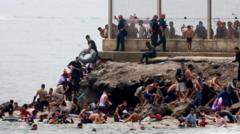
EU Convenes Urgent Session on Ceuta Migration Surge
European Union leadership has initiated an emergency meeting to address the mounting challenges surrounding migrant crossings into Ceuta, the Spanish North African enclave. The EU emergency meeting was prompted by escalating tensions among member states regarding how to manage the unprecedented influx of individuals attempting to enter European territory through this strategic geographic point.
The convergence of diplomatic representatives underscores the gravity of the situation facing European policymakers. Officials from multiple EU nations gathered to deliberate on coordinated responses to the ongoing crisis, which has strained relations between Spain and neighboring European states.
Escalating Tensions Between Spain and EU Partners
Spain has found itself at the epicenter of contentious discussions within the European Union framework. The nation hosting Ceuta has articulated concerns about bearing a disproportionate burden in managing migrant arrivals, while other EU member states have engaged in heated debates regarding responsibility-sharing mechanisms.
The friction between Spanish authorities and their European counterparts reflects broader disagreements about migration management strategies. Spain has repeatedly emphasized that additional EU support is essential to address the scope of migrant crossings currently occurring at Ceuta's borders.
Diplomatic Friction Points
Various EU nations have expressed divergent perspectives on how migrant crossings should be addressed. Some member states advocate for reinforced border control measures, while others emphasize humanitarian considerations and burden-sharing protocols among EU countries. These differing viewpoints have complicated negotiations during the emergency discussions.
Strategic Importance of Ceuta's Location
Ceuta occupies a critical position in Mediterranean migration routes. The enclave's geography makes it a natural transit point for individuals seeking passage into Europe, positioning it as a focal point for EU migration policy challenges. The strategic location has historically made Ceuta vulnerable to large-scale migration movements.
The concentration of migrant arrivals at Ceuta reflects broader patterns affecting Europe's external borders. Officials acknowledge that addressing root causes requires comprehensive strategies extending beyond individual border regions.
EU Response Framework and Policy Considerations
The emergency convening demonstrates the European Union's commitment to developing cohesive responses to migration pressures. Discussions centered on potential policy adjustments, resource allocation, and enhanced cooperation mechanisms between member states.
EU officials have recognized that sustainable solutions demand coordinated action rather than isolated national responses. The meeting provided an opportunity to assess existing protocols and evaluate whether current frameworks adequately address contemporary migration dynamics.
Border Security Enhancement Discussions
Among key topics examined during sessions were proposals for strengthened border surveillance technology, increased personnel deployment, and enhanced information-sharing systems between nations. Security experts contributed analyses regarding infrastructure improvements and resource requirements necessary for effectively managing migrant flows.
Humanitarian Dimensions and Processing Challenges
While security considerations dominated discussions, officials also addressed humanitarian obligations and processing capacities. Spain's infrastructure for managing arriving migrants has been identified as requiring substantial support and investment to handle current volumes humanely.
The challenge encompasses not merely preventing illegal crossings but ensuring that legitimate asylum seekers receive appropriate evaluation and processing. Balancing security imperatives with humanitarian responsibilities represents a central tension in current European migration debates.
Broader European Migration Context
Ceuta's situation reflects wider challenges affecting EU external borders across Mediterranean and Eastern European regions. The concentration of media attention on migrant crossings at Ceuta has elevated public awareness regarding Europe's migration management capabilities and political will.
Migration pressures persist across multiple entry points, indicating that solutions require comprehensive European strategies rather than localized interventions. The emergency meeting acknowledged this reality while focusing specifically on Ceuta's acute circumstances.
Forward-Looking Implications
Outcomes from the EU emergency meeting will likely shape European migration policy trajectories in coming months. Decisions regarding resource distribution, operational protocols, and diplomatic engagement will reflect priorities established during these urgent discussions.
The convergence of EU leadership underscores migration's prominence within contemporary European political agendas. As demographic and geopolitical factors continue driving migration pressures, European institutions must develop increasingly sophisticated and humane response mechanisms capable of addressing both security and humanitarian dimensions of cross-border population movements.


