Expert Withdraws Support for Channel 4 ADHD Documentary
Professor Katya Rubia criticizes Channel 4's ADHD documentary for bias and misrepresentation, raising concerns about medication risks.
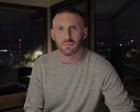
Leading Neuroscientist Rejects Channel 4 Programme Over Alleged Bias
A prominent contributor to Channel 4's controversial ADHD documentary has formally withdrawn her endorsement of the programme, citing significant concerns about its editorial approach and factual accuracy. The Channel 4 ADHD documentary, titled The Great ADHD Myth?, has become the subject of intense scrutiny among medical professionals and mental health experts who question its representation of scientific evidence regarding attention deficit hyperactivity disorder treatment and diagnosis.
Professor Katya Rubia, an esteemed researcher specializing in cognitive neuroscience at King's College London's Institute of Psychiatry, Psychology and Neuroscience, has publicly stated that her contributions to the Channel 4 ADHD documentary were fundamentally misrepresented in the final broadcast. The academic argues that the programme presents a skewed narrative that fails to acknowledge the established medical consensus on ADHD management.
Health Risks and Medication Concerns Raised by Expert
In her statement withdrawing support, Professor Rubia expressed particular alarm regarding the documentary's messaging about psychiatric medications. She contends that The Great ADHD Myth? may inadvertently encourage parents to discontinue prescribed treatments without proper medical consultation, creating substantial health risks for young patients.
The neuroscientist warns that such messaging could potentially increase suicide risk among vulnerable adolescents currently receiving treatment for ADHD. Her concerns align with established clinical guidelines that emphasize the importance of medical supervision when managing psychopharmacological interventions. The timing of these criticisms has intensified scrutiny of the Channel 4 ADHD documentary's editorial standards and scientific accuracy.
Growing Criticism from the Medical Community
Professor Rubia's withdrawal of support represents merely one voice in a broader chorus of professional objections to the broadcast. Other distinguished figures within psychiatry, neurology, and psychology have similarly criticized The Great ADHD Myth? for presenting arguments that contradict peer-reviewed research and established diagnostic frameworks.
These experts argue that the Channel 4 ADHD documentary employs selective evidence presentation and fails to adequately represent the complexity of attention deficit hyperactivity disorder as a neurological condition. Many contributors have expressed frustration that their nuanced positions were simplified or altered during the editing process.
Concerns Over Editorial Integrity and Scientific Representation
The controversy surrounding this Channel 4 ADHD documentary raises important questions about journalistic responsibility when addressing complex medical topics. Television producers face the challenge of creating engaging content while maintaining scientific accuracy and avoiding potentially harmful public health messaging.
Professor Rubia's detailed critique focuses on specific segments where her research on neurological aspects of ADHD was either omitted or presented in misleading context. She emphasizes that her work does not support the central thesis that ADHD represents a myth or modern invention, as the documentary's title suggests.
The academic's concerns extend beyond personal misrepresentation to broader implications for public understanding of neurodevelopmental disorders. Misleading information disseminated through popular media platforms can influence parental decision-making regarding their children's healthcare, potentially resulting in harm to individuals who require ongoing treatment.
Impact on Public Health Discourse
This controversy demonstrates the significant responsibility that broadcasters bear when presenting medical information to mass audiences. The Great ADHD Myth? exemplifies how documentary filmmaking can shape public perception of complex psychiatric conditions, regardless of whether those presentations align with scientific consensus.
The withdrawal of expert support signals to viewers and policymakers that the Channel 4 ADHD documentary may not represent a reliable source for understanding current medical knowledge about attention deficit hyperactivity disorder. Professional organizations dedicated to mental health and neuroscience have been compelled to issue statements clarifying scientific positions on ADHD diagnosis and treatment.
Implications for Future Science Broadcasting
As streaming platforms and traditional broadcasters increasingly present documentaries addressing scientific topics, this situation highlights the necessity for robust editorial standards and expert consultation throughout production. The Channel 4 ADHD documentary case suggests that interviews with researchers require careful contextualization and accurate representation of their complete positions.
Media literacy has become increasingly important as audiences navigate contradictory information about health matters. When experts publicly distance themselves from programmes featuring their participation, it serves as a critical signal that viewers should approach the content with appropriate skepticism and seek additional expert opinion.
The broader implications of this controversy will likely influence how future documentary producers approach interviews with academic contributors and how they balance narrative presentation with scientific accuracy. The withdrawal of support from respected figures like Professor Rubia underscores the importance of maintaining professional standards in science communication through mainstream media channels.