High Court Quashes Orange Order March Restrictions
High Court reverses Drumcree march restrictions, reigniting sectarian tensions in Northern Ireland over Garvaghy Road dispute and Orange Order processions.
Court Decision Reignites Drumcree Controversy
A significant High Court ruling has once again brought the contentious Orange Order march restrictions back into the spotlight, threatening to destabilize decades of relative peace in Northern Ireland. The court's decision to quash the latest restrictions on the Orange Order march has reinvigorated longstanding political disputes surrounding the Garvaghy Road parade route and its implications for sectarian harmony in the region.
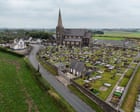
The Drumcree dispute, which became synonymous with summer tensions throughout the 1990s and early 2000s, had gradually diminished over the past twenty years. What was once a flash point for violent confrontations between Orangemen and security forces near the parish church in Portadown, County Armagh, evolved into an informal ceasefire that brought relative stability to the area.
Historical Background of the Drumcree Dispute
The Drumcree crisis emerged as one of Northern Ireland's most persistent social and political flashpoints, characterized by intense standoffs and sectarian violence that rippled across the entire region. Each summer, the community braced itself for potential clashes as the Orange Order sought to maintain traditional marching routes through predominantly Catholic neighborhoods, particularly along the Garvaghy Road.
Pitched battles between Orangemen and police forces became routine occurrences during the height of the crisis, with confrontations frequently escalating into broader sectarian violence that claimed lives and deepened community divisions. The dispute transcended simple marching rights, representing deeper questions about identity, cultural expression, and community coexistence in post-conflict Northern Ireland.
Two Decades of Fragile Peace
Following years of intensive negotiations and community dialogue, a de facto truce gradually took hold approximately twenty years ago. This informal understanding allowed both communities to coexist with reduced tensions during the traditionally volatile marching season. While the underlying disputes remained unresolved, the cessation of violence represented a significant achievement for peacebuilding efforts in Northern Ireland.
The relative calm that settled over areas like Portadown and the Garvaghy Road corridor permitted local residents to focus on rebuilding community relations and pursuing economic development. Schools reopened without security barriers, businesses operated without fear of disruption, and families no longer anticipated annual cycles of violence and unrest.
Fresh Tensions from Court Ruling
The High Court's decision to overturn restrictions on the Orange Order march has reopened old wounds and reignited fundamental disagreements about rights and responsibilities in a divided society. Political parties have swiftly responded to the ruling, with representatives expressing concerns about the potential resurgence of sectarian confrontations that the community had worked so hard to prevent.
The court's judgment centers on the interpretation of marching rights and public order considerations, raising complex legal and social questions about how to balance cultural expression with community safety. Advocates for the Orange Order contend that restrictions unjustly limit traditional cultural practices, while residents along the Garvaghy Road maintain that certain parade routes inflame tensions and undermine coexistence efforts.
Political Ramifications and Community Concerns
The ruling has created immediate political controversy, with various stakeholders calling for different responses. Some representatives argue that the decision undermines years of careful relationship-building, while others contend that traditional marching rights require legal protection. The dispute has also drawn attention from international observers monitoring Northern Ireland's peace process implementation.
Community leaders from both Catholic and Protestant backgrounds have expressed anxiety about the potential for renewed confrontation. Organizations dedicated to cross-community dialogue worry that the court's decision could trigger a return to hostile interactions that characterized the worst periods of the dispute. Residents living along the Garvaghy Road have renewed calls for mechanisms to prevent violent escalation.
Looking Forward: Managing Renewed Tensions
The coming marching season will serve as a critical test of whether the delicate balance achieved over the past two decades can withstand this fresh legal challenge. Community organizations, political parties, and security forces are reviewing protocols to manage potential demonstrations and counter-protests while preventing violence.
Religious and civic leaders have urged dialogue between all parties involved in the dispute, emphasizing the mutual benefits of continued peaceful coexistence. Some analysts suggest that the court ruling, while controversial, may ultimately force substantive negotiations that could address underlying grievances on both sides of the sectarian divide.
The Drumcree dispute, which seemed destined for the history books, has unexpectedly returned to the center of Northern Ireland's political discourse. Whether this latest development signals a regression to previous patterns of conflict or catalyzes more permanent resolution mechanisms remains uncertain as the region prepares for the upcoming marching season.