Iran Proposes Opening Strait of Hormuz Within Six Days
Iran offers to open Strait of Hormuz in six days and resume nuclear talks if US lifts oil sanctions and ends regional conflicts including Lebanon war.
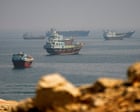
Iran's Strategic Proposal to Trump Administration
Iran has presented a comprehensive proposal to the Trump administration regarding the Strait of Hormuz, offering significant diplomatic concessions in exchange for specific US policy changes. The proposal centers on opening the Strait of Hormuz within a six-day timeframe, contingent upon several key conditions including the lifting of sanctions on Iran's oil exports, cessation of military operations across all regional fronts, and the release of frozen Iranian assets held internationally.
This initiative represents a significant development in US-Iran relations, as Tehran seeks to demonstrate flexibility while establishing clear prerequisites for cooperation. The timing and specificity of Iran's proposal suggest a coordinated effort to expedite diplomatic engagement with the incoming Trump administration.
Nuclear Program Negotiations Timeline
According to Iranian officials, negotiations concerning Iran's nuclear program would commence immediately following the opening of the Strait of Hormuz, scheduled for the day after this critical juncture is achieved. This compressed timeline aims to accelerate diplomatic progress beyond previously established agreements, fundamentally altering the pace of international negotiations.
The proposed framework builds upon the memorandum of understanding initially signed between the US and Iran in June, which established foundational principles for future engagement. By compressing the negotiation timeline, Iran demonstrates its commitment to resolving long-standing disputes while advancing mutual interests in regional stability.
Conditions for Implementation
The Iranian proposal encompasses multiple interconnected conditions that must be satisfied simultaneously for implementation. First and foremost, the United States must lift comprehensive sanctions targeting Iran's oil export sector, a measure that would significantly impact Iran's economic capacity and international trade relationships. Secondly, all military operations must cease across regional theaters, with specific emphasis on the ongoing conflict affecting Lebanon and other territories experiencing active hostilities.
Additionally, Iran demands the release of substantial frozen assets held in international banking systems, representing compensation for economic losses incurred through prolonged sanctions regimes. These conditions collectively reflect Iran's desire to achieve comprehensive normalization of economic and political relationships with Western powers.
Connection to Previous Agreements
The current proposal directly references the June memorandum of understanding, which established preliminary groundwork for potential reconciliation between Tehran and Washington. By accelerating implementation timelines outlined in that agreement, Iran seeks to capitalize on the incoming Trump administration's stated interest in rapid diplomatic achievement and deal-making.
The Strait of Hormuz holds critical importance in global energy markets, with approximately 21 percent of global petroleum passing through this vital waterway annually. Iran's control over this chokepoint provides substantial leverage in international negotiations, explaining why Iranian officials emphasize opening this corridor as a primary diplomatic objective.
Regional Conflict Resolution Component
A distinctive aspect of Iran's proposal involves ending military conflicts throughout the Middle Eastern region, particularly focusing on Lebanon where Iranian-aligned forces maintain significant influence. This component suggests Iran's willingness to exercise diplomatic pressure on allied organizations to facilitate broader regional peace initiatives.
The inclusion of Lebanon-specific provisions indicates recognition that resolving regional tensions requires comprehensive approaches addressing multiple concurrent conflicts. By linking Strait of Hormuz access to broader Middle Eastern stability, Iran positions itself as a key stakeholder in regional conflict resolution processes.
Strategic Implications and Response Awaited
The proposal represents Iran's latest attempt to engage directly with American leadership to resolve decades-long tensions and establish mutually beneficial frameworks for cooperation. Officials in Tehran await formal response from the Trump administration regarding the feasibility and acceptability of proposed terms.
International observers recognize this development as potentially transformative for US-Iran relations, with implications extending far beyond bilateral concerns into broader Middle Eastern geopolitics. The coming days will prove critical in determining whether substantive negotiations commence or diplomatic initiatives stall.
Iran's timing, combining multiple policy demands with specific implementation timelines, reflects calculated diplomatic strategy designed to present Washington with a comprehensive pathway toward normalized relations. The success or failure of this initiative will significantly influence regional stability and international energy markets throughout the coming months.