Revolutionary Microscope Technology Offers Hope for IBD Treatment Breakthroughs
Advanced 'Curie' microscope operates at 10x conventional resolution, potentially unlocking new treatments for inflammatory bowel disease affecting millions worl...
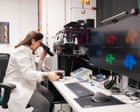
Advanced Microscopy Revolutionizes Inflammatory Bowel Disease Research
A groundbreaking microscope technology is transforming the landscape of inflammatory bowel disease treatment research. Scientists worldwide are increasingly optimistic that this unprecedented imaging system, known as 'Curie,' will accelerate discoveries leading to innovative therapeutic approaches for conditions that have long challenged the medical community.
The prevalence of debilitating bowel conditions among younger demographics continues to rise globally, creating urgent demand for novel solutions. This powerful instrument represents a significant leap forward in the quest to understand the mechanisms underlying these complex disorders and develop targeted interventions.
Understanding the Scale of Inflammatory Bowel Disease
Inflammatory bowel disease represents a substantial public health concern across developed nations. In the United Kingdom alone, more than half a million individuals are currently managing this chronic condition, according to data from the British Society of Gastroenterology. The two predominant forms—Crohn's disease and ulcerative colitis—account for the majority of documented cases, though both remain incurable with conventional medical approaches.
The societal impact extends beyond individual patients, affecting families, healthcare systems, and economic productivity. Young people constitute a particularly vulnerable demographic, as the onset of these conditions frequently occurs during formative years when educational and professional opportunities hang in the balance.
The 'Curie' Microscope: A Technological Marvel
The 'Curie' microscope represents no ordinary laboratory instrument. Operating at approximately ten times the resolution achievable through conventional microscopy techniques, this cutting-edge device enables researchers to observe cellular and molecular structures at unprecedented levels of detail. Such enhanced visualization capabilities promise to unlock insights previously inaccessible to the scientific community.
The technical specifications of this advanced system facilitate examination of tissue samples with extraordinary clarity, potentially revealing cellular anomalies, inflammatory markers, and pathological processes that standard microscopy cannot adequately capture. This superior resolution directly translates to enhanced diagnostic potential and accelerated identification of disease mechanisms.
Implications for Future Treatment Development
Researchers maintaining cautious optimism believe that the detailed observations enabled by 'Curie' technology will catalyze a new generation of therapeutic discoveries. By identifying the fundamental biological processes driving inflammatory bowel disease, scientists may develop targeted interventions addressing root causes rather than merely managing symptoms.
The potential applications extend across multiple dimensions of medical practice. Enhanced understanding of disease pathophysiology could lead to personalized treatment strategies, improved prognostic indicators, and preventive approaches. Furthermore, discoveries made through this technology may have broader implications for understanding other inflammatory conditions affecting the gastrointestinal tract and beyond.
Scientific Collaboration and Research Momentum
The development and deployment of such sophisticated technology reflect years of collaborative effort among research institutions, technology developers, and medical professionals. This interdisciplinary approach demonstrates the scientific community's commitment to addressing the significant unmet medical needs associated with inflammatory bowel disease treatment.
Institutions worldwide are positioning themselves to leverage this new capability, recognizing that competitive advantage in biomedical research increasingly depends on access to state-of-the-art investigative tools. The 'Curie' microscope's potential to generate novel data streams has already generated considerable interest among leading gastroenterology and immunology research groups.
Looking Ahead: From Discovery to Clinical Application
While the immediate focus concentrates on fundamental research and mechanism elucidation, the ultimate objective remains translating laboratory discoveries into improved patient outcomes. The pathway from microscopy observations to clinical implementation typically requires extensive validation through preclinical and clinical trials, suggesting that tangible therapeutic advances may emerge over the coming years.
For millions living with inflammatory bowel disease globally, this technological advancement signals renewed hope for breakthrough treatments. As researchers harness the 'Curie' microscope's unprecedented capabilities, the possibility of transforming outcomes for Crohn's disease and ulcerative colitis patients draws considerably closer. The convergence of innovative technology, dedicated scientific inquiry, and pressing medical need creates an exceptionally promising context for meaningful progress in understanding and treating these debilitating conditions.