RFK Jr-Backed Hepatitis B Vaccine Trial Approved in Guinea-Bissau
Controversial hepatitis B vaccine trial endorsed by RFK Jr receives approval in Guinea-Bissau, raising ethical concerns over withholding vaccinations from newbo...
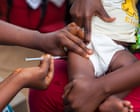
Hepatitis B Vaccine Trial Receives Approval in Guinea-Bissau
A contentious hepatitis B vaccine trial that has generated significant debate within the medical community has been granted approval to proceed in Guinea-Bissau. The hepatitis B vaccine trial, which features the involvement of Danish researchers and backing from Robert F. Kennedy Jr., represents a departure from conventional immunization protocols in the West African nation. The study's controversial methodology involves withholding standard hepatitis B vaccination doses from a subset of newborn participants, marking a significant shift in how vaccine research is typically conducted on vulnerable populations.
The Study Design and Its Implications
The research framework established for this hepatitis B vaccine trial will deliberately defer hepatitis B immunizations for thousands of newborns in Guinea-Bissau. This approach diverges substantially from established public health guidelines that recommend universal hepatitis B vaccination within the first 24 hours of birth. Danish researchers conducting the investigation have structured the protocol to examine outcomes in vaccinated versus unvaccinated cohorts, creating ethical and medical considerations that have sparked considerable discussion among health professionals and bioethicists worldwide.
RFK Jr's Role in Vaccine Research
Robert F. Kennedy Jr., now serving as secretary of the US Department of Health and Human Services (HHS), has long advocated for reconsidering conventional vaccine schedules and protocols. His influence on this particular investigation underscores his broader philosophy regarding vaccine administration practices. As a longtime critic of the standard immunization framework, Kennedy's involvement in advancing this hepatitis B vaccine trial reflects his commitment to conducting research that challenges established vaccination methodologies. The approval of this study demonstrates how such perspectives are gaining traction in international research circles, despite ongoing resistance from traditional public health authorities.
Ethical Considerations and Medical Oversight
The approval process for this trial has raised important questions about research ethics, particularly regarding studies conducted on pediatric populations in developing nations. International medical review boards faced complex decisions in evaluating whether the scientific potential of this hepatitis B vaccine trial justifies the temporary withholding of a preventative measure from vulnerable newborns. Hepatitis B, a serious viral infection that can lead to chronic disease, cirrhosis, and liver cancer, remains a significant public health concern in many African countries. The decision to proceed with the trial suggests that oversight bodies determined the research benefits outweighed the risks associated with delaying standard immunization protocols.
International Response and Controversy
The approval of this hepatitis B vaccine trial has triggered responses from public health organizations, medical associations, and advocacy groups across the globe. Some entities have expressed concerns about conducting potentially risky research on children in low-income settings, while others have supported the investigative approach as potentially yielding valuable scientific insights. The trial's advancement in Guinea-Bissau reflects broader tensions within the global research community regarding how to balance innovative scientific inquiry with protection of vulnerable populations. This controversy surrounding vaccine research protocols highlights ongoing debates about research standards, informed consent practices, and the equitable distribution of research responsibilities across different regions.
Looking Forward: Research Implications and Future Directions
As the hepatitis B vaccine trial commences, observers will closely monitor its progress and outcomes. The data generated from this investigation may influence how vaccine research is conducted in future studies, potentially affecting immunization protocols both in Africa and internationally. The involvement of prominent figures like Kennedy in shaping vaccine research agendas suggests that debates over conventional immunization practices will continue to evolve. This trial stands as a significant marker in the ongoing conversation about vaccine science, research ethics, and the role of alternative perspectives in informing public health policy decisions globally.