Russia Faces Critical Troop Shortage Amid Ukraine Conflict
Western officials warn Russia loses 6,000 more troops monthly than it recruits. Despite enlisting 1,000 daily, casualty rates exceed recruitment capacity in Ukr...
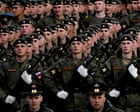
Russia Confronts Unprecedented Troop Shortage in Ukraine
A significant Russia troop shortage has emerged as a critical challenge in the ongoing conflict with Ukraine, according to assessments from Western military officials. The gap between personnel losses and new recruits has reached approximately 6,000 soldiers monthly, creating unprecedented strain on Moscow's military operations and strategic capabilities in the region.
Despite maintaining an aggressive recruitment pace of roughly 1,000 personnel per day, Russian forces continue to experience mounting casualties that far exceed their ability to replenish armed forces. This disparity represents a fundamental shift in the conflict's dynamics, with Western observers noting that even accelerated recruitment efforts cannot sustain current operational requirements.
Recruitment Efforts Cannot Match Casualty Rates
Moscow's military recruitment apparatus has significantly intensified its efforts to address personnel shortages. The estimated daily intake of 1,000 new recruits demonstrates the scale of mobilization currently underway across Russian territory. However, these numbers prove insufficient when confronted with the reality of combat attrition rates on the Ukrainian battlefield.
According to Western intelligence assessments, the fundamental problem stems not from recruitment capability alone, but rather from the accelerating pace of combat losses. Over the preceding two-month period, casualty figures have dramatically surpassed recruitment statistics, creating a widening personnel gap that threatens operational sustainability.
Implications for Russia's Military Strategy
The Russia troop shortage has profound consequences for military planning and tactical execution. When faced with consistent deficits in manpower replenishment, armed forces must adapt operational doctrine, reduce unit strength, or accept diminished combat effectiveness across multiple fronts. This situation fundamentally constrains Russia's strategic options in Ukraine.
Western military analysts suggest that this personnel imbalance may force Moscow to reconsider deployment strategies, potentially limiting simultaneous offensive operations or requiring extended periods for unit consolidation and training. The structural disadvantage compounds over time as experienced personnel are lost faster than replacements can be adequately trained.
Daily Recruitment Operations Face Mounting Pressure
The scale of daily recruitment—approximately 1,000 personnel—underscores the intensity of Russia's mobilization campaign. Nevertheless, Western officials maintain that this recruitment rate, while substantial, remains fundamentally inadequate relative to documented losses occurring within active conflict zones. The mathematics of attrition present an unsustainable trajectory for sustained military operations.
Military analysts observe that recruitment quality may also suffer when accelerated intake processes are implemented. Proper training, equipment provisioning, and unit integration require time and resources. When compressed recruitment schedules become necessary to address critical personnel deficits, overall force readiness may deteriorate alongside quantity considerations.
Western Assessment of Conflict Sustainability
Official Western evaluations indicate that current casualty and recruitment patterns create inherent constraints on the conflict's duration and intensity from the Russian perspective. While Moscow possesses substantial population reserves for potential conscription, economic, social, and political factors may limit realistic recruitment expansion beyond current levels.
The Russia troop shortage assessment represents a significant factor in broader strategic calculations regarding the conflict's trajectory. As personnel losses accumulate faster than replacement capacity, Russian military command faces increasingly difficult decisions regarding offensive capabilities, defensive positioning, and long-term operational sustainability in Ukraine.
Broader Context of Military Operations
The personnel deficit must be understood within the larger context of prolonged conflict operations. Multiple years of intensive warfare have depleted experienced personnel, generated significant casualties, and created substantial logistical demands for equipment replacement and medical care. These cumulative pressures interact with recruitment constraints to create compounding challenges.
Western official statements suggest that the Russia troop shortage represents not a temporary phenomenon but rather an emerging structural feature of prolonged conflict operations. Unless fundamental changes occur in casualty rates, recruitment expansion, or overall tactical approach, this disparity is anticipated to persist and potentially intensify throughout coming months.