Trump Issues Warning to Iran's Envoy Over Hezbollah as Swiss Diplomacy Unfolds
Trump threatens military action against Iran during diplomatic talks in Switzerland, demanding restraint on Hezbollah in Lebanon. Latest developments in US-Iran...
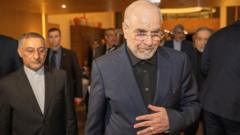
Trump's Ultimatum Amid Ongoing Diplomatic Discussions
Tensions escalated between Washington and Tehran as Trump Iran negotiations continued in Switzerland, with the US president delivering a stern warning to Iranian representatives. Despite his absence from the talks themselves, Trump issued a direct threat of military intervention should Iran fail to curb Hezbollah's operations in Lebanese territory. The warning underscores the delicate nature of diplomatic efforts currently underway in the Alpine nation.
The comments from the American leader represent a significant hardening of rhetoric during what have been described as constructive preliminary discussions between US officials and Iran's diplomatic team. Trump's position demands immediate action from Tehran regarding its regional allies, particularly Hezbollah, which maintains a substantial military presence along Lebanon's border with Israel.
Iran's Response and Strategic Position
Iran's negotiator responded to the threats with warnings of their own, signaling that Tehran would not capitulate to pressure tactics. The exchange of statements between Trump and Iran's envoy reflects a fundamental disagreement over the terms and preconditions for any comprehensive nuclear accord or broader regional settlement. Both sides have demonstrated willingness to engage diplomatically while simultaneously maintaining firm rhetorical positions.
The Iranian representative emphasized his country's sovereign right to maintain alliances with Hezbollah and other regional partners. This assertion comes as international observers closely monitor whether the current diplomatic window might lead to substantive negotiations or merely represent a temporary pause in heightened tensions.
Hezbollah in Lebanon: The Central Sticking Point
The group's activities in Lebanon have become a critical flashpoint in US-Iran relations. Hezbollah's military capabilities and proximity to Israel represent a persistent concern for the Trump administration, which views the organization's restraint as essential for regional stability. Trump Iran negotiations pivot significantly on this issue, with American officials insisting that any agreement must include verifiable commitments regarding Hezbollah's military operations and procurement of advanced weaponry.
Lebanon's precarious political situation adds complexity to demands for Hezbollah's restraint. The organization maintains deep roots within Lebanese society and politics, serving as both a political party and a military force. This dual nature complicates international efforts to isolate or pressure the group without destabilizing the broader Lebanese state.
Switzerland as Diplomatic Venue
The choice of Switzerland for these crucial discussions reflects the traditional role of neutral nations in facilitating difficult negotiations. The country has hosted numerous high-level diplomatic talks and provides secure channels for communication between adversarial parties. The Swiss setting suggests that both the US and Iran recognize the potential benefits of sustained dialogue, even as public rhetoric remains confrontational.
Swiss officials have reportedly assured both sides of their commitment to facilitating productive discussions. The country's experience in hosting complex international negotiations makes it an ideal location for exploring potential pathways toward de-escalation, despite Trump's aggressive public statements regarding Iran's required policy shifts.
Broader Implications for Middle East Security
The current standoff carries significant implications for regional security architecture. The Trump administration's emphasis on restraining Iran's proxy forces in Lebanon reflects broader concerns about Iranian regional influence. US allies in the Middle East, particularly Israel and Gulf states, have strongly supported efforts to contain Tehran's military expansion and its support networks throughout the region.
Conversely, Iran views its regional partnerships as essential to its national security and strategic interests. From Tehran's perspective, abandoning Hezbollah would represent an unacceptable capitulation that would undermine Iran's deterrent capabilities and regional standing. This fundamental disagreement suggests that bridging the gap between American demands and Iranian positions will require creative diplomatic solutions.
What's Next for Trump Iran Negotiations
The coming weeks will prove critical in determining whether the current diplomatic engagement yields meaningful progress. Both sides face domestic political pressures that constrain their negotiating flexibility. Trump's public threats may be intended to strengthen his negotiating position, while Iran's defiant response serves similar domestic political purposes.
International observers remain cautiously optimistic that sustained dialogue might produce agreements on specific issues, even if comprehensive settlements prove elusive. The Swiss venue and continued engagement suggest that diplomatic channels remain open despite the contentious public exchanges. Whether Trump Iran negotiations ultimately succeed in addressing the Hezbollah question and other disputes will depend on both parties' willingness to move beyond rhetorical confrontation toward substantive compromise.


