Two-Thirds of England Declared Official Drought Status
Over two-thirds of England now faces official drought conditions affecting major regions. Learn about the water crisis impacting the East Midlands, Kent, and Su...
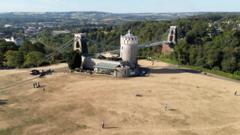
England Drought Status Escalates Across Multiple Regions
More than two-thirds of England has now been officially declared to be in drought status, marking a significant escalation in the nation's water crisis. This widespread England drought status affects some of the country's most densely populated areas, raising serious concerns about water availability and environmental conditions in the months ahead.
The declaration represents a critical turning point in the nation's response to prolonged dry conditions. Water authorities and government agencies have determined that current precipitation levels and groundwater reserves no longer meet the thresholds necessary to sustain normal operations across vast swathes of the country.
Regions Moving Into Official Drought Declaration
Several key regions have officially transitioned into drought status following assessments by environmental and water management authorities. The East Midlands, Lincolnshire and Northamptonshire have all been classified under drought conditions, joining other severely affected areas.
Kent and East Sussex, located in the southeastern part of England, have similarly entered official drought status. These regions, which include some of the Southeast's most important urban centers, now face strict water management protocols and potential usage restrictions.
The Solent and South Downs area, spanning parts of the South Coast, has also been included in the official drought designation. This geographic spread demonstrates the scale and severity of the water shortage affecting the nation.
Understanding England Drought Status Implications
The official England drought status designation triggers multiple responses from water companies and local authorities. These measures are designed to protect remaining water supplies and ensure equitable distribution during the crisis period.
Water companies typically implement enhanced monitoring of consumption patterns, accelerate leak detection programs, and may introduce temporary restrictions on non-essential water use. Businesses and households in affected areas must prepare for potential limitations on garden watering, car washing, and other discretionary water applications.
Geographic Impact and Population Affected
The regions now in official drought status represent millions of residents across England. The East Midlands region alone encompasses major cities and agricultural areas vital to the nation's economy. Lincolnshire and Northamptonshire contribute significantly to food production, making drought conditions in these areas particularly consequential.
The southeastern regions of Kent and East Sussex contain major population centers and contribute substantially to the national economy. The Solent area around the coast adds another critical dimension to the crisis, potentially affecting tourism and maritime-dependent industries.
Managing Water Resources During Drought Status
Water authorities have developed comprehensive strategies to manage the England drought status situation and sustain supply chains. These approaches balance environmental protection with human needs and economic stability.
Enhanced conservation messaging encourages individuals and businesses to reduce consumption voluntarily. Public information campaigns emphasize practical steps that can significantly reduce water usage without compromising essential services or public health.
Looking Forward: Drought Status Timeline and Recovery
The duration of official drought status depends on rainfall patterns and natural replenishment of groundwater reserves. Meteorological forecasts and hydrological modeling provide guidance, though predictions remain uncertain.
Recovery from England drought status typically requires sustained precipitation across multiple months to fully restore water tables and reservoir levels to normal ranges. Water authorities continue monitoring conditions closely and adjusting management strategies as circumstances evolve.


