Warsh Initiates Fed Operations Review Following Rate Decision
Kevin Warsh leads his first Federal Reserve meeting, maintaining interest rates between 3.5-3.75% and announcing a comprehensive review of central bank procedur...
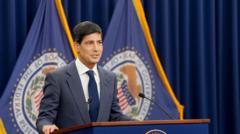
Warsh Takes Helm at Federal Reserve with Measured Approach
Kevin Warsh, the newly appointed chairman of the Federal Reserve, has commenced a thorough examination of how the central bank operates following his inaugural leadership meeting. During this significant gathering, the Federal Reserve rate decision maintained the benchmark interest rates within the 3.5% to 3.75% corridor, signaling a measured stance on monetary policy as the institution navigates current economic conditions.
First Meeting Establishes Policy Direction
The Federal Reserve rate decision announced by Warsh reflects a commitment to stability in the nation's financial system. By maintaining rates at their existing levels, the Fed demonstrated continuity in its approach to managing inflation while supporting economic growth. This measured decision came as markets closely watched how the new leadership would handle interest rate policy during uncertain economic times.
Comprehensive Review of Central Bank Operations
Beyond the immediate rate decision, Warsh has signaled intentions to undertake a comprehensive review of the Federal Reserve's operational framework. This examination will evaluate current procedures, decision-making processes, and the institution's overall effectiveness in fulfilling its dual mandate of price stability and maximum employment. Such reviews are essential for ensuring that the central bank remains responsive to evolving economic challenges.
Understanding the Interest Rate Framework
The maintenance of US interest rates in the 3.5% to 3.75% range carries significant implications for borrowing costs across the American economy. This level reflects the Fed's careful balancing act between managing inflationary pressures and avoiding unnecessary economic contraction. Businesses and consumers alike monitor these Federal Reserve rate decisions closely, as they influence mortgage rates, credit card fees, and savings account returns.
Implications for Financial Markets
The decision to hold rates steady during Warsh's first meeting provided clarity to financial markets and investors. Rather than introducing sudden policy shifts, the measured approach allowed stakeholders time to understand the new chairman's economic philosophy and priorities. This stability-focused strategy can help maintain confidence in the Fed's commitment to orderly market functioning.
Warsh's Leadership Vision
The new Federal Reserve chairman has emphasized transparency and comprehensive analysis in his approach. By initiating a review of how the Fed works, Warsh aims to strengthen the institution's credibility and effectiveness. This initiative suggests he intends to examine everything from communication strategies to data analysis methodologies that inform policy decisions.
Focus on Operational Excellence
The operational review encompasses multiple dimensions of Federal Reserve functioning. Leadership wants to ensure that all departments work in concert to support effective monetary policy implementation. This includes evaluating how the central bank collects economic data, analyzes market conditions, and communicates policy decisions to the public and financial institutions.
Economic Context for Rate Stability
Maintaining the US interest rates at current levels reflects the complex economic environment facing policymakers. Inflation remains a concern in many sectors, while economic growth shows mixed signals. By holding rates steady, the Fed avoided either tightening financial conditions further or providing additional stimulus that might reignite price pressures.
Market Reactions and Expectations
Financial markets responded positively to the straightforward approach taken during Warsh's first meeting. The lack of surprise in the Federal Reserve rate decision allowed investors to focus on the chairman's broader agenda, particularly the planned review of central bank operations. Forward-looking guidance from the Fed will become increasingly important as markets assess future monetary policy direction.
The Path Forward
As Warsh settles into his role as Federal Reserve chairman, the comprehensive review of the institution's operations will likely dominate his agenda in the coming months. The findings from this examination could lead to procedural changes, updated communication frameworks, or refinements to decision-making processes. This systematic approach demonstrates a commitment to continuous improvement in how the central bank serves the American economy and financial system.


