
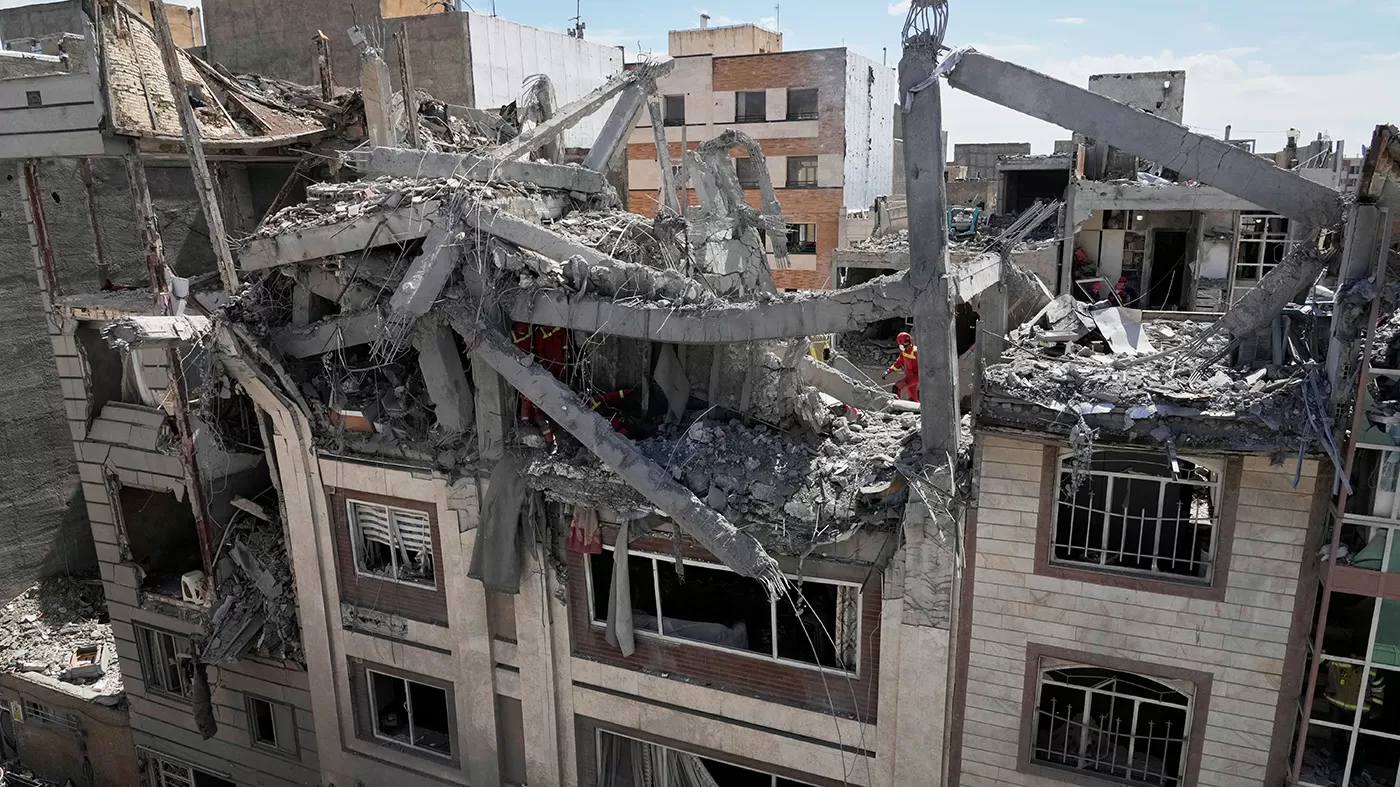
The United States and Israel have been at odds with Iran for many years, with tensions reaching a boiling point in recent months. However, a new study by the United Nations Development Programme (UNDP) has shed light on a devastating consequence of this ongoing conflict – the potential to push more than 30 million people into poverty.
The findings, released on Tuesday in a 27-page brief, paint a grim picture of the potential impact of the U.S.-Israeli war with Iran on the global economy. According to the report, as many as 32.5 million people may fall into poverty due to a shock in energy affordability.
The study highlights the interconnectedness of the global economy and how conflicts in one region can have far-reaching consequences. The U.S. and Israel’s aggressive stance towards Iran has led to an increase in tensions in the Middle East, which in turn has caused a rise in oil prices. This has a direct impact on energy affordability, which is a key factor in poverty reduction.
The report states that the Middle East and North Africa region will be the most affected, with an estimated 16 million people at risk of falling into poverty. This is followed by sub-Saharan Africa with 9 million people, South Asia with 4 million people, and East Asia and the Pacific with 3.7 million people. Latin America and the Caribbean are also expected to see a rise in poverty, with an estimated 400,000 people at risk.
The UNDP report also highlights the disproportionate impact on women, children, and marginalized communities. Women, who are already more vulnerable to poverty, will bear the brunt of this crisis as they are often the primary caregivers and breadwinners in their households. Children, who are the future of our world, will also suffer as their access to education, healthcare, and other basic needs will be compromised. Marginalized communities, such as refugees and internally displaced persons, will also be at a higher risk of poverty due to their limited access to resources and opportunities.
The consequences of this potential increase in poverty are far-reaching and devastating. Families will struggle to make ends meet, children will drop out of school, and communities will be unable to access basic healthcare. This will not only have a direct impact on the well-being of individuals and families but also on the overall development of countries and the achievement of the Sustainable Development Goals.
The UNDP report calls for urgent action to prevent this crisis from becoming a reality. It emphasizes the need for peaceful resolution of conflicts and the importance of international cooperation in mitigating the impact of global crises. The report also highlights the need for investment in sustainable energy sources and the promotion of energy efficiency to reduce the vulnerability of communities to energy shocks.
It is essential for all nations to come together and address the root causes of this potential increase in poverty. The U.S. and Israel must work towards finding a peaceful resolution to their conflict with Iran, and the international community must provide support to countries at risk of falling into poverty.
As individuals, we can also play a role in preventing this crisis by being mindful of our energy consumption and promoting sustainable practices. By reducing our carbon footprint, we can contribute to the fight against climate change and help mitigate the impact of energy shocks on vulnerable communities.
In conclusion, the U.S.-Israeli war with Iran has the potential to push more than 30 million people into poverty, with devastating consequences for individuals, families, and communities around the world. It is imperative that we take action now to prevent this crisis from becoming a reality. Let us work together towards a peaceful and sustainable future for all.

