
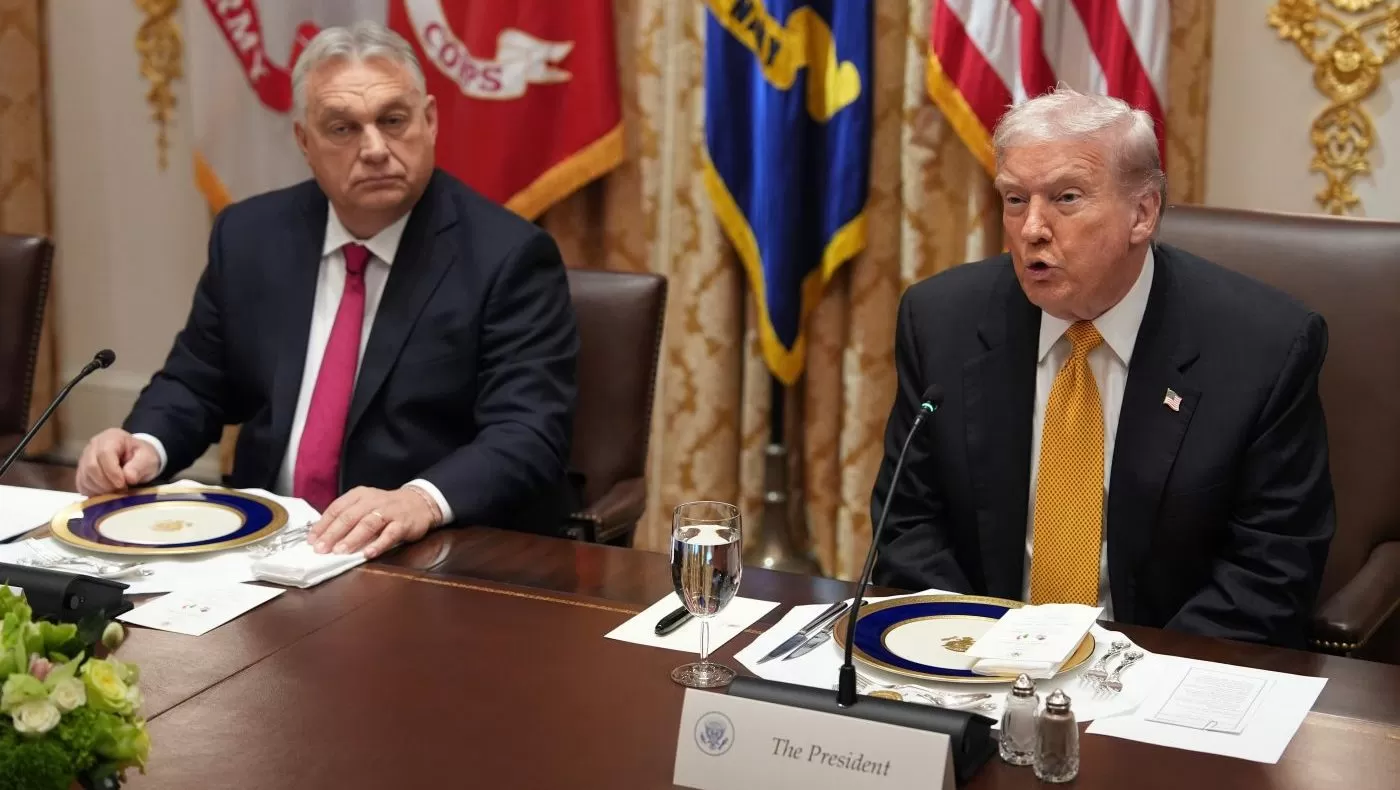
The recent landslide electoral defeat of Hungarian Prime Minister Viktor Orbán has sent shockwaves through the political landscape of both Hungary and the United States. With Orbán’s close ties to both President Trump and Russian President Vladimir Putin, his loss has exposed a rift within the U.S. Republican Party between those embracing a post-Orbán political shift in Europe and those lamenting the downfall of a prominent right-wing figure.
For years, Orbán has been a staunch ally of President Trump, with both leaders sharing similar views on issues such as immigration and national sovereignty. Orbán’s anti-immigrant policies and strong stance against the European Union have made him a hero among far-right groups in the U.S. However, his defeat in the recent Hungarian elections has left many Republicans in a state of confusion and uncertainty.
The Trump administration, which has often praised Orbán’s leadership, has been quick to distance itself from the Hungarian Prime Minister following his defeat. In a statement, the White House said, “While we respect the decision of the Hungarian people, we are disappointed to see the loss of a strong leader like Viktor Orbán. We will continue to work with the new government to advance our shared interests and values.”
This sudden shift in tone from the Trump administration has left many Republicans divided. Some see it as an opportunity for the party to distance itself from Orbán’s controversial policies and align themselves with more moderate leaders in Europe. Others, however, view it as a betrayal of a key ally and a missed opportunity to strengthen ties with Russia.
But what does this defeat mean for the future of the Republican Party? It is clear that there is a growing divide between those who support a more traditional conservative approach and those who align themselves with the populist, nationalist movements sweeping Europe.
Those in favor of a post-Orbán political shift argue that the defeat of a leader who has been accused of undermining democratic institutions and suppressing free speech is a victory for democracy. They see this as an opportunity for the Republican Party to distance itself from far-right ideologies and focus on more moderate policies that appeal to a wider electorate.
On the other hand, those mourning Orbán’s loss see it as a sign of the declining influence of right-wing leaders in Europe and a missed opportunity for the U.S. to strengthen its ties with Russia. They believe that Orbán’s defeat will only further alienate the U.S. from its traditional allies in Europe and weaken its position on the world stage.
It is clear that the Trump administration is leaning towards the former, as evidenced by its statement on Orbán’s defeat. This has caused some concern among Republicans who fear that the party will lose its strong base of far-right supporters. However, others argue that this shift may actually be beneficial for the party in the long run, as it allows for a more inclusive and diverse base of supporters.
The defeat of Viktor Orbán in Hungary has brought to light the complexities and divisions within the U.S. Republican Party. It is a reminder that no party is immune to change and that the political landscape is constantly evolving. It is up to the party to adapt and embrace this change, rather than cling to outdated ideologies and alliances.
As the Republican Party moves forward, it must carefully navigate this rift between those embracing a post-Orbán political shift and those mourning his downfall. It is important for the party to remember its core values and principles while also being open to new ideas and perspectives. Only then can it truly unite and move forward as a strong and united force in the political arena.
The defeat of Viktor Orbán may be seen as a setback for the right-wing movement in Europe, but it also presents an opportunity for the Republican Party to redefine itself and appeal to a wider range of voters. It is time for the party to embrace change and move towards a more inclusive and progressive future.

