United States Halts HIV Program Funding in South Africa
The US announces the end of HIV program funding in South Africa, affecting millions living with the virus. Learn about the implications of this major policy shi...
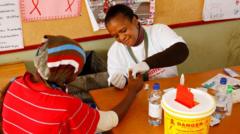
Major Policy Shift: US Discontinues HIV Program Support in South Africa
In a significant development regarding HIV program funding in South Africa, the United States has announced its decision to cease financial support for various HIV-related initiatives across the nation. This decision marks a substantial change in international health cooperation between the two countries and carries considerable implications for millions of South Africans battling the virus.
The Scale of South Africa's HIV Crisis
South Africa continues to face an unprecedented health emergency, with more than eight million citizens currently living with HIV – a figure that represents the highest concentration of HIV cases in any single country worldwide. This staggering number underscores the critical importance of sustained international support and comprehensive treatment programs. The nation's HIV epidemic remains one of the most pressing public health challenges on the global stage.
Understanding the Impact of Funding Withdrawal
The discontinuation of HIV program funding from the United States will have far-reaching consequences for South Africa's health infrastructure. Organizations and clinics that have relied on American financial support for delivering antiretroviral therapy, testing services, and prevention initiatives now face uncertainty about their operational capacity. Many community health workers and medical facilities have built their programs around these funds, making the transition particularly challenging.
Healthcare Delivery Challenges Ahead
With US funding withdrawal, South African healthcare providers must quickly identify alternative revenue sources or risk scaling back essential services. The timing of this decision raises concerns about continuity of care for the millions depending on these programs. Treatment accessibility, patient monitoring systems, and preventive education campaigns all stand to be affected by reduced financial resources.
International Health Partnership Implications
This decision signals a broader shift in US foreign aid priorities and international health partnerships. The United States has historically been a major contributor to global HIV mitigation efforts, and its withdrawal from South Africa's programs suggests a fundamental reassessment of funding allocations. Other donor nations and organizations may need to step forward to fill the gap left by this funding discontinuation.
Government and NGO Response
South African government health departments and non-governmental organizations are assessing their options to maintain program continuity. Many NGOs that have been instrumental in reaching marginalized communities and rural populations now face operational constraints. The private sector and philanthropic organizations may need to increase their involvement in supporting HIV treatment and prevention services.
Broader Considerations for Global Health Security
The reduction in HIV program funding raises questions about global health stability and disease control. An uncontrolled HIV epidemic in any major population center creates risks for treatment-resistant strains and continued transmission. The interconnected nature of modern health systems means that insufficient treatment capacity in one region can have worldwide implications.
Potential Consequences of Program Interruption
Incomplete treatment regimens due to funding gaps can lead to drug resistance, making HIV management more difficult and expensive long-term. Additionally, reduced prevention programs may result in increased new infections, particularly among vulnerable populations including youth and women. The economic burden of managing a worsening epidemic ultimately becomes more costly than prevention and treatment investments.
Looking Forward: Sustainability and Alternative Solutions
South Africa must now strategically plan for program sustainability without relying on US HIV program funding. This may involve increased domestic budget allocation, partnerships with other international donors, and innovative financing models. Local pharmaceutical companies and research institutions may also play expanded roles in developing cost-effective treatment options.
The discontinuation of American support represents a critical juncture for South Africa's health sector. While the country has made significant strides in HIV treatment and prevention over the past decades, maintaining momentum without international funding requires unprecedented commitment and resource mobilization at the national level.


